
Niche Live Streaming vs General Entertainment Platforms

 Sachin Sharma
Last Updated on September 7, 2026
Key Takeaways
What You’ll Learn:
- Niche live streaming platforms serve one specific audience or use case.
- General entertainment platforms support many creators, content types, and viewer interests.
- Niche platforms usually have smaller, more focused MVPs and communities.
- General platforms need stronger search, recommendations, categories, and content discovery.
- Both models can earn through subscriptions, gifting, tickets, advertising, or sponsorships.
Stats That Matter:
- The global live commerce market was valued at $172.9 billion in 2025.
- The live commerce market is estimated to reach $230.3 billion in 2026.
If you’re building a live streaming app, one question comes up early: do you build for one audience or try to attract everyone?
Bigo Live shows how a social live-streaming platform can build around real-time interaction, creator communities, and virtual gifting. Meanwhile, Twitch and YouTube have taken a much broader approach, bringing together different types of creators and entertainment.
Both models can work, but the way you build, monetize, and grow them is very different. So which one makes more sense for your platform? Let’s break it down.
Niche vs General Entertainment Platforms: What’s the Difference?
 Niche Live Streaming Platforms
 Niche Live Streaming Platforms
Think of a niche platform as a live streaming platform like Poppo Live or Bigo Live, built around one particular audience or type of content.
What’s exactly it is? A platform designed for a specific audience, industry, interest, or use case, with features built around what that group actually needs.
Who they’re for: Founders who already have a clear idea of who they want to attract and what those users are looking for.
Examples: Bigo Live focuses on social live streaming, creator interaction, and virtual gifting. Veeps, founded by Joel and Benji Madden, focuses on live and ticketed music experiences. Mandolin was built around livestreaming music performances and connecting artists with audiences online.
Common use cases: Live shopping, gaming communities, fitness classes, coaching, ticketed events, professional education, and regional or language-focused platforms are all possible niche applications.
Live shopping is one example with plenty of room for growth. According to Grand View Research, the global live commerce market was valued at $172.9 billion in 2025 and is estimated to reach $230.3 billion in 2026. The report also projects the market to reach $2.55 trillion by 2033.
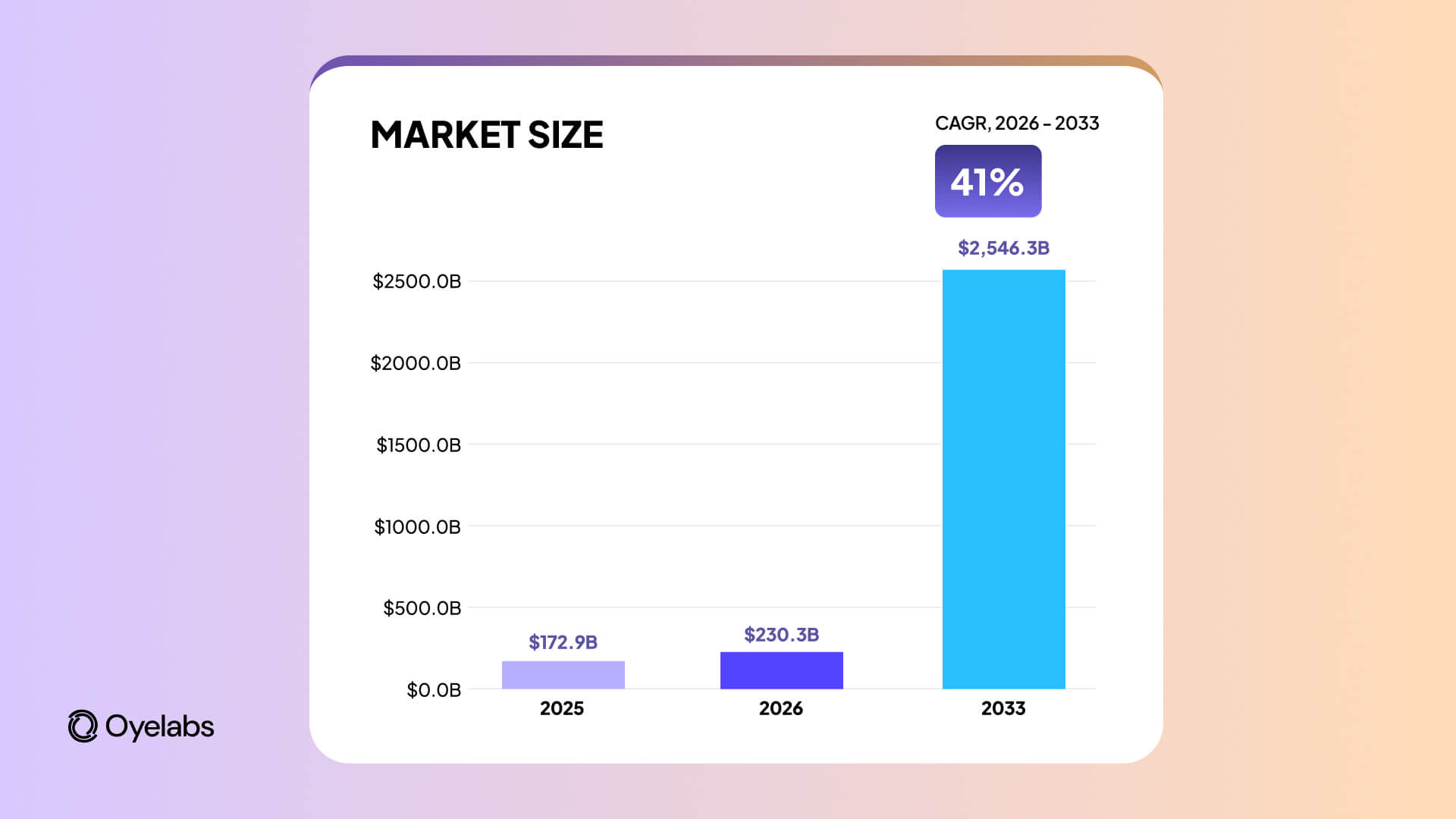
That shows why a founder doesn’t necessarily have to build a platform for every type of viewer. There can be a strong business around doing one thing particularly well.
General Entertainment Platforms
A general entertainment platform takes the other route. Instead of focusing on one audience, it tries to bring different types of viewers and creators together.
What’s exactly it is? A platform that supports several types of live or on-demand entertainment, with search, categories, recommendations, and feeds helping people find content.
Who they’re for: Founders who want to target a large audience and support different types of creators from the beginning.
Examples: YouTube Live, Twitch, Instagram Live, Facebook Live, and Kick all serve broad creator and entertainment audiences.
Content categories: Gaming, music, comedy, IRL streams, sports commentary, lifestyle content, interviews, and other creator content can all fit into the same platform.
The main difference comes down to focus versus reach.
| Feature | Niche Live Streaming | General Entertainment |
|---|---|---|
| Audience | Specific and targeted | Broad |
| Content | Focused categories | Multiple categories |
| Discovery | Community, marketing, referrals | Search, feeds, recommendations |
| Monetization | Tickets, subscriptions, gifting, memberships | Ads, subscriptions, gifting, sponsorships |
| Community | More focused | Larger and more varied |
| MVP | Smaller scope | Larger scope |
| Competition | Easier to find a specific position | Much more competitive |
Niche vs General Platforms: What Changes?
Choosing between the two isn’t just about the type of content you want to host. It affects how you’ll attract users, build features, make money, and manage the platform.
Also Read: Bigo Live vs Twitch: Comparing Streaming Leaders
Other Important Differences
Audience and Community
A niche platform starts with a clear group of users who already share an interest.
For example, people joining a fitness livestreaming platform are there for workouts, trainers, classes, and related content. They already have something in common.
A general platform has a much larger potential audience, but those users can have completely different reasons for opening the app. Someone watching a gaming stream may have no interest in a cooking or fitness livestream.
The benefit of a niche audience is that your marketing and product decisions can be much more specific.
Content Variety
Niche platforms don’t need to offer everything.
A live shopping platform can focus on shopping. A platform for online fitness classes can focus on trainers, classes, memberships, and viewer interaction.
A general entertainment platform has a different expectation. Users come looking for different types of content, so the platform needs enough variety to keep different groups interested.
Discoverability
General platforms have an advantage here because they can use large amounts of content and viewing data to improve recommendations.
Users can discover creators through search, trending sections, personalized feeds, and recommendations.
A new niche platform usually won’t have that amount of data. Early traffic often comes from social media, existing communities, creator audiences, partnerships, referrals, and direct marketing.
Once the platform has enough users and content, it can start building stronger recommendation features.
Monetization
Both models can make money in several ways, but niche platforms can connect their revenue model more closely to their audience.
A ticketed event platform can charge viewers for access. A creator-focused platform can use subscriptions and virtual gifts. A live shopping platform can earn through product sales.
General platforms can use these methods too, but advertising and sponsorships can become more important when the platform reaches a large audience.
So the difference isn’t that one model can make money and the other can’t.
It’s about what users are willing to pay for and how much scale you need to make the model work.
Features and Development
A niche platform can keep its first version relatively focused.
Take live shopping as an example. The first version could focus on livestreaming, product listings, checkout, payments, seller tools, and viewer interaction.
A general entertainment platform needs to support several types of creators and content. That can mean more work around categories, search, recommendations, creator profiles, moderation, notifications, analytics, and video management.
This makes the first version broader and usually more complicated.
Scalability and Moderation
Both types of platforms need reliable streaming, good video quality, low latency, security, moderation, and infrastructure that can handle more users.
The difference is the number of content types you need to manage.
A niche platform can create moderation rules around its particular audience and content.
A general platform has to deal with many different situations. Gaming, music, shopping, interviews, and lifestyle streams can all have different moderation requirements.
As the number of users and content categories grows, that becomes a bigger operational challenge.
Pros and Cons of Niche vs General Platforms
| Factor | Niche | General |
|---|---|---|
| Main advantage | Focused experience | Large potential audience |
| Audience | Smaller and targeted | Large and varied |
| MVP | Easier to keep focused | More features required |
| Monetization | Closely tied to the niche | More revenue options |
| Competition | Easier to differentiate | Much stronger competition |
| Growth | Community and referrals | Discovery and network effects |
| Expansion | Can take more planning | Easier to add categories |
Niche platforms have a smaller audience, but that doesn’t automatically mean less opportunity. If the audience has a strong need and is willing to pay, a smaller user base can still support a good business.
General platforms have a much higher ceiling, but reaching that ceiling takes time, money, creators, content, and a strong reason for people to switch from platforms they already use.
Which Live Streaming Model Should You Choose?
Choose a niche model if:
- You know exactly who your audience is.
- You have a specific problem to solve.
- You have a clear use case such as live shopping, fitness, coaching, or ticketed events.
- You want to start with a smaller product.
- Your development budget is limited.
- You already have access to a specific creator community.
- You know how you want to monetize the platform.
Choose a general model if:
- You want to reach a broad audience.
- You have the resources to support a larger product.
- You already have access to many creators.
- You want to support several content categories.
- You can invest in search and recommendation features.
- Advertising or large-scale transactions are important to your business model.
Ask Yourself These Five Questions
Before choosing either option, answer these:
- Who will use the platform first?
- Which creators will join first?
- Why would they choose my platform over existing options?
- What will users actually pay for?
- What can I afford to build and market?
If the answers point toward one particular audience, starting niche may be the better option.
And you don’t have to stay there forever.
A platform can start with one category, build a loyal audience, prove that the business model works, and then expand into related categories.
That’s often a safer way to grow than launching with a huge list of features and categories before you know what users actually want.
Building Your Live Streaming Platform
After deciding on the business model, you’ll need to decide how you want to build the technology.
You can build everything from scratch, or you can start with a prebuilt or white-label live streaming solution.
Building from scratch gives you more control, but you’ll also need to build and test the streaming infrastructure, chat, payments, moderation, analytics, user management, and other core components yourself.
For a new business, that can take a lot of time before the first version is ready.
A prebuilt solution gives you a starting point with common live streaming features already available. You can then customize the design, branding, features, monetization, and workflows around your business.
For founders considering this route, OyeLabs offers a prebuilt live streaming platform that can be customized for niche communities as well as broader entertainment platforms. The solution includes core features such as live streaming, real-time interaction, gifting, and monetization, which can then be adapted to the business model you’re building.
Before choosing any prebuilt solution, make sure it can support the features, integrations, payment methods, moderation requirements, and future growth you have planned.
Conclusion
If you already know your audience and have a specific use case, a niche live streaming platform is often the easier place to start. You can focus the product, find the right creators, and build a community without trying to serve everyone at once.
If your goal is to build a large entertainment platform with multiple categories, the general model gives you more room to grow, but it also requires more resources and puts you against much bigger competitors.
There isn’t one answer that works for every founder.
Start with the audience you can actually reach, the problem you can actually solve, and the business model you can actually support. If those three things line up, the choice between niche and general becomes a lot easier.
FAQs
1. Can a niche live streaming platform become a general entertainment platform later?
Yes. A niche platform can expand into related categories after building a loyal audience, established creators, and a proven business model.
2. Is a niche live streaming platform cheaper to build than a general entertainment platform?
Usually, yes. A niche platform needs fewer categories and specialized features initially, which can reduce development scope and initial costs.
3. How do niche live streaming platforms compete with Bigo Live, Twitch, and YouTube?
They compete through specialization, offering targeted features, stronger communities, and experiences designed for audiences that larger platforms may not serve deeply.
4. What is the biggest challenge when launching a live streaming platform?
Attracting creators and viewers simultaneously is often the biggest challenge. Creators need audiences, while viewers need enough interesting content to keep returning.
5. What features should a live streaming platform have in its first version?
A first version typically needs live video, user accounts, creator tools, real-time chat, moderation, notifications, payments, monetization, and basic analytics.
Reviewed By: Sachin Sharma
Sr. Digital Transformation Consultant, Oyelabs