
Cost Breakdown for Building a Target-Like Shopping App
 Anuraag Jain
Last Updated on October 7, 2025
The shopping app market is witnessing unprecedented growth, driven by changing consumer behaviors and the increasing demand for convenience. As more people turn to smartphones for everyday purchases, apps similar to established brands like Target are becoming essential tools for consumers and retailers. The convenience of shopping from anywhere at any time, combined with features like personalized recommendations and easy payment options, has made shopping apps a staple in the eCommerce landscape.
This blog aims to break down the costs of developing a shopping app similar to Target, highlighting various factors influencing pricing. Understanding these costs is crucial for businesses entering the competitive eCommerce market. From development and design to ongoing maintenance, we will explore the key components contributing to the overall investment required for a successful shopping app.
OyeLabs offers tailored eCommerce app development solutions to create user-friendly, scalable platforms that boost customer experience and sales. Whether building a new app or enhancing one, we’re here to simplify eCommerce development.
Let’s dive into the cost breakdown for creating a shopping app similar to Target!
Understanding the Key Components of Development
Creating a shopping app similar to Target involves several key components directly influencing development costs. Here’s a crisp overview of these essential elements.
Defining the Scope of Your App
The complexity of features significantly impacts the overall cost of your shopping app. Key functionalities such as user accounts, product listings, and payment processing are foundational. Implementing secure user registration, for example, requires additional development time, which can increase costs. Likewise, building a comprehensive product catalog with detailed descriptions and images adds to both complexity and expense. Mobile commerce accounted for 70% of online orders in the UK in 2023, underscoring the critical need for a seamless, user-friendly shopping app to capture consumer attention and drive sales.
Importance of Research and Planning
Thorough market research and planning are vital before starting development. Understanding your target audience and analyzing competitors can provide insights that shape your app’s features and design. This groundwork not only aids in defining the app’s scope but also helps identify potential challenges early on. Insights from our blog on Future Trends in eCommerce App Development can guide you in incorporating innovative functionalities that resonate with modern consumers. By investing time in research and planning, you can create a roadmap that aligns with your business goals while optimizing your budget.
Defining your app’s scope and conducting thorough research are foundational steps that significantly impact development costs. Understanding these complexities will set your shopping app up for success from the very beginning.
Cost Breakdown Overview
Understanding the cost breakdown is essential for budgeting and planning when developing a shopping app similar to Target. Here are the key components contributing to the overall expenses of creating such an app.
Development Costs
Development costs vary widely based on several factors, including geographical location and the choice between freelancers and development agencies.
- Average Hourly Rates: Developers in North America typically charge between $100 and $250 per hour, while rates in Eastern Europe range from $30 to $75 per hour, and in Asia, they can be as low as $20 to $50 per hour. This disparity highlights the importance of considering where your development team is based when estimating costs.
- Freelancers vs. Development Agencies: Hiring freelancers may seem more cost-effective initially, but it often lacks the comprehensive support and expertise that a development agency provides. Agencies usually offer a full suite of services, including design, development, and ongoing support, which can lead to a more polished final product.
Design Costs
UI/UX design is crucial in creating an engaging shopping experience. A well-designed app can significantly impact user satisfaction and conversion rates.
- Significance of UI/UX Design: Investing in high-quality design ensures that users find the app intuitive and enjoyable to navigate. Poor design can lead to high abandonment rates and lost sales.
- Average Design Costs: Depending on complexity, design costs can range from $5,000 for basic apps to over $50,000 for more intricate designs that require extensive user testing and iterations. Understanding these costs upfront is essential for effective budgeting.
Platform Costs
When developing your shopping app, you’ll need to consider platform-specific costs:
- iOS vs. Android Development: Developing for iOS generally costs more due to stricter guidelines and higher developer rates. If you develop for both platforms simultaneously, expect to pay 1.5 to 2 times more than focusing on just one platform.
- App Store Fees: Apple and Google charge fees for listing apps on their stores—typically around $99 per year for Apple and a one-time fee of $25 for Google Play. These fees should be factored into your overall budget.
Backend Development Costs
Backend development is critical for ensuring your app functions smoothly and securely:
- Server Setup: The costs associated with server setup can vary depending on whether you choose cloud hosting (like AWS or Azure) or traditional hosting solutions. Expect initial setup costs of around $1,000 to $5,000.
- Database Management: Depending on the complexity of your data needs, database management can add another $2,000 to $10,000 to your budget.
- API Integration: Integrating third-party services (like payment processors or inventory management systems) may incur additional costs ranging from $1,000 to $5,000, depending on the number of integrations required.
Understanding these cost components—development rates based on location, design expenses, platform-specific fees, and backend development costs—will help you create a realistic budget for your shopping app project.
Also Read: Cost Breakdown for Developing a Shopping App Like Costco
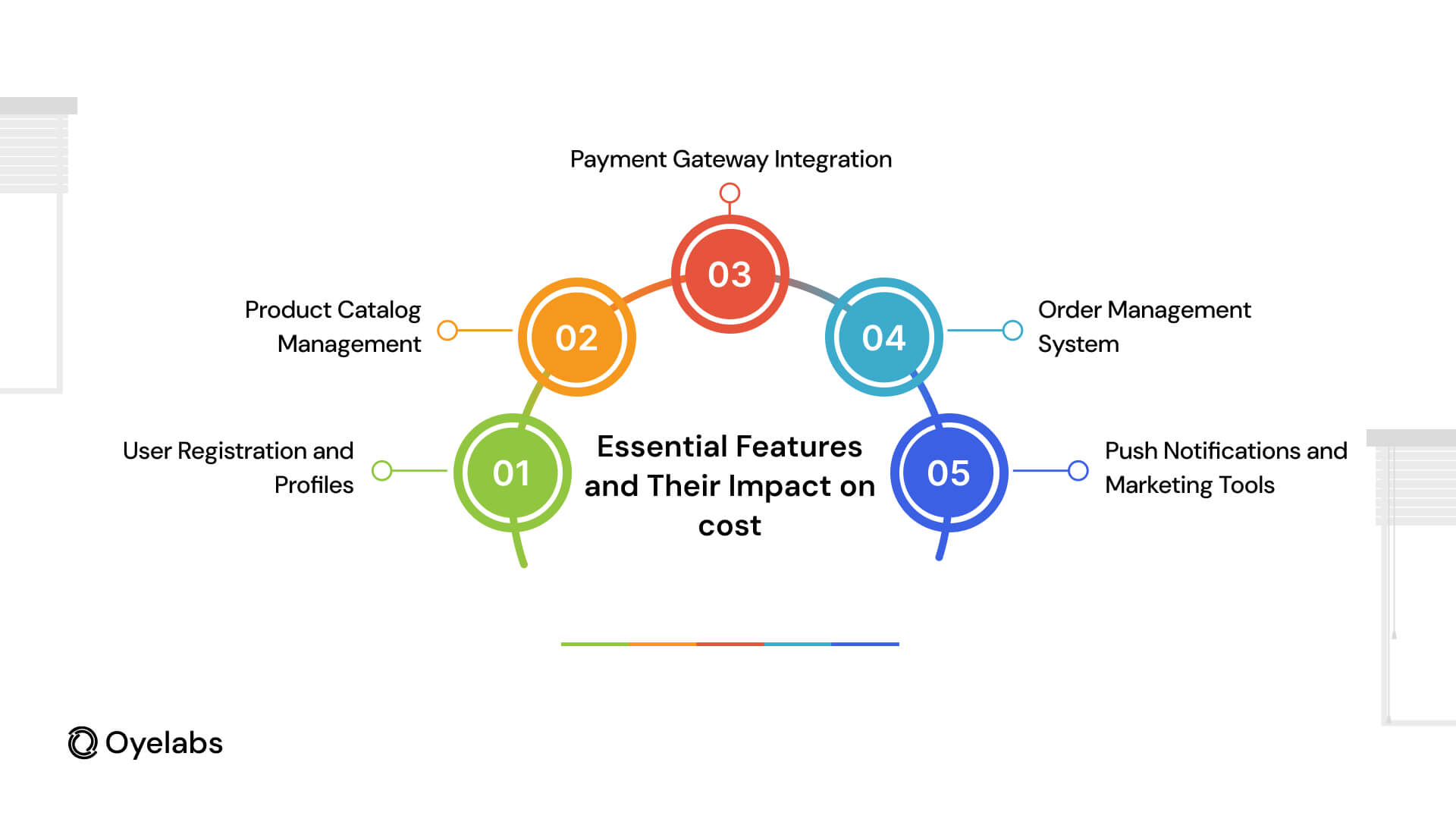
Incorporating essential features is crucial for enhancing user experience and driving sales when developing a shopping app similar to Target. However, these features also impact the overall development costs.
User Registration and Profiles
Implementing secure user accounts is vital for any shopping app. This feature requires additional development time to ensure robust security measures, which can increase costs. The complexity of user authentication, data encryption, and profile management adds to the budget. As discussed in our blog on essential features of a successful eCommerce app, prioritizing user security is essential for building customer trust.
Product Catalog Management
Another critical feature is creating an extensive product catalog with effective search and filter options. The cost implications stem from the need for a well-structured database and user-friendly interface that allows consumers to browse products easily. This complexity can lead to higher development costs, but it significantly enhances the shopping experience.
Payment Gateway Integration
Secure payment processing is paramount in eCommerce. Integrating reliable payment gateways involves additional costs but is essential for ensuring customer trust and safety during transactions. The investment in secure payment systems pays off by reducing cart abandonment rates and increasing conversion rates.
Order Management System
Building a robust order management system (OMS) is crucial for handling orders efficiently. This system must track inventory levels, manage shipping logistics, and process returns. While developing an OMS can be resource-intensive, it ultimately streamlines operations and improves customer satisfaction, justifying the initial costs.
Push Notifications and Marketing Tools
Integrating marketing features like push notifications can increase initial development costs but drive long-term engagement. These tools help keep users informed about promotions and new products, enhancing customer retention and boosting sales.
Additional Costs to Consider
Maintenance and Updates
Ongoing maintenance is essential for keeping your app functional and up-to-date. This includes regular updates, bug fixes, and performance optimizations post-launch. Setting aside a budget for these ongoing costs ensures your app remains competitive and user-friendly.
Marketing and Launch Costs
Budgeting for marketing strategies to promote your app upon launch is critical. This may include social media advertising, influencer partnerships, or promotional campaigns to attract initial users. Effective marketing can significantly impact your app’s success and should be part of your overall financial planning.
Legal and Compliance Fees
Ensuring compliance with data protection regulations can incur legal costs. As eCommerce apps handle sensitive customer information, investing in legal advice to navigate these regulations is crucial to avoid potential fines and protect your brand’s reputation.
Real-World Examples
To illustrate the potential of shopping apps similar to Target, let’s look at some successful case studies:
- Walmart: Walmart’s app integrates advanced features like mobile scanning and easy reordering, showcasing how effective design enhances user experience.
- Amazon: Amazon’s recommendation engine drives significant sales through personalized suggestions based on user behavior. If you want to build an e-commerce app like Amazon, check out our ready-to-use Amazon platform clone.
- eBay: eBay employs machine learning for its recommendation system, improving product discovery through intelligent search capabilities.
These industry leaders’ insights demonstrate the importance of investing in quality app development to succeed in the competitive eCommerce landscape.
In summary, understanding essential features and their associated costs is crucial for developing a successful shopping app similar to Target. By considering these factors early in the planning process, you can create a robust platform that meets consumer needs while staying within budget.
Why Choose OyeLabs for Your Development Needs?
Choosing the right partner is crucial when developing a shopping app similar to Target. OyeLabs stands out as a leader in eCommerce app development, offering services tailored to your specific needs.
Expertise in eCommerce App Development
At OyeLabs, we have extensive experience creating customized eCommerce app development solutions that align with client objectives. Our team of skilled developers understands the intricacies of the eCommerce landscape, ensuring that your app meets industry standards and stands out in a competitive market. With a focus on user experience and functionality, we help businesses build platforms that drive engagement and sales.
Comprehensive Support Services
Launching your shopping app is just the beginning. OyeLabs provides ongoing support and maintenance services to ensure your platform remains operational and up-to-date. Our team is dedicated to addressing any issues that arise post-launch, implementing updates, and optimizing performance. Additionally, our analytics tools offer valuable insights into user behavior, allowing you to make data-driven decisions that enhance your app’s effectiveness.
Conclusion
In summary, the cost factors associated with developing a shopping app similar to Target are multifaceted. From development and design costs to ongoing maintenance and marketing expenses, understanding these elements is essential for effective budgeting.
Investing wisely in all aspects of app development will position your business for success in the competitive eCommerce landscape. By choosing OyeLabs as your development partner, you gain access to expertise and support that can help you navigate this complex process effectively.
If you’re ready to develop your own shopping app, contact OyeLabs today for a consultation. Let’s work together to create a platform that meets your business goals and exceeds customer expectations!