
White-Label WhatsApp CRM SaaS – Opportunity for Tech Entrepreneurs

White-Label WhatsApp CRM SaaS – Opportunity for Tech Entrepreneurs
 Sachin Sharma
Last Updated on November 1, 2025
Key Takeaways What You’ll Learn: White-label WhatsApp CRM SaaS lets you launch your own CRM brand easily. Businesses use WhatsApp for sales, support, and real-time customer chats. SaaS offers low investment, recurring income, and fast market entry. Automation and chatbots boost efficiency and customer satisfaction. Stats That Matter: WhatsApp has 3B+ monthly users and 175M daily business messages. Over 50M businesses use WhatsApp for customer communication. Global SaaS market may reach $720B by 2028. WhatsApp open rates are around 98%, higher than email.
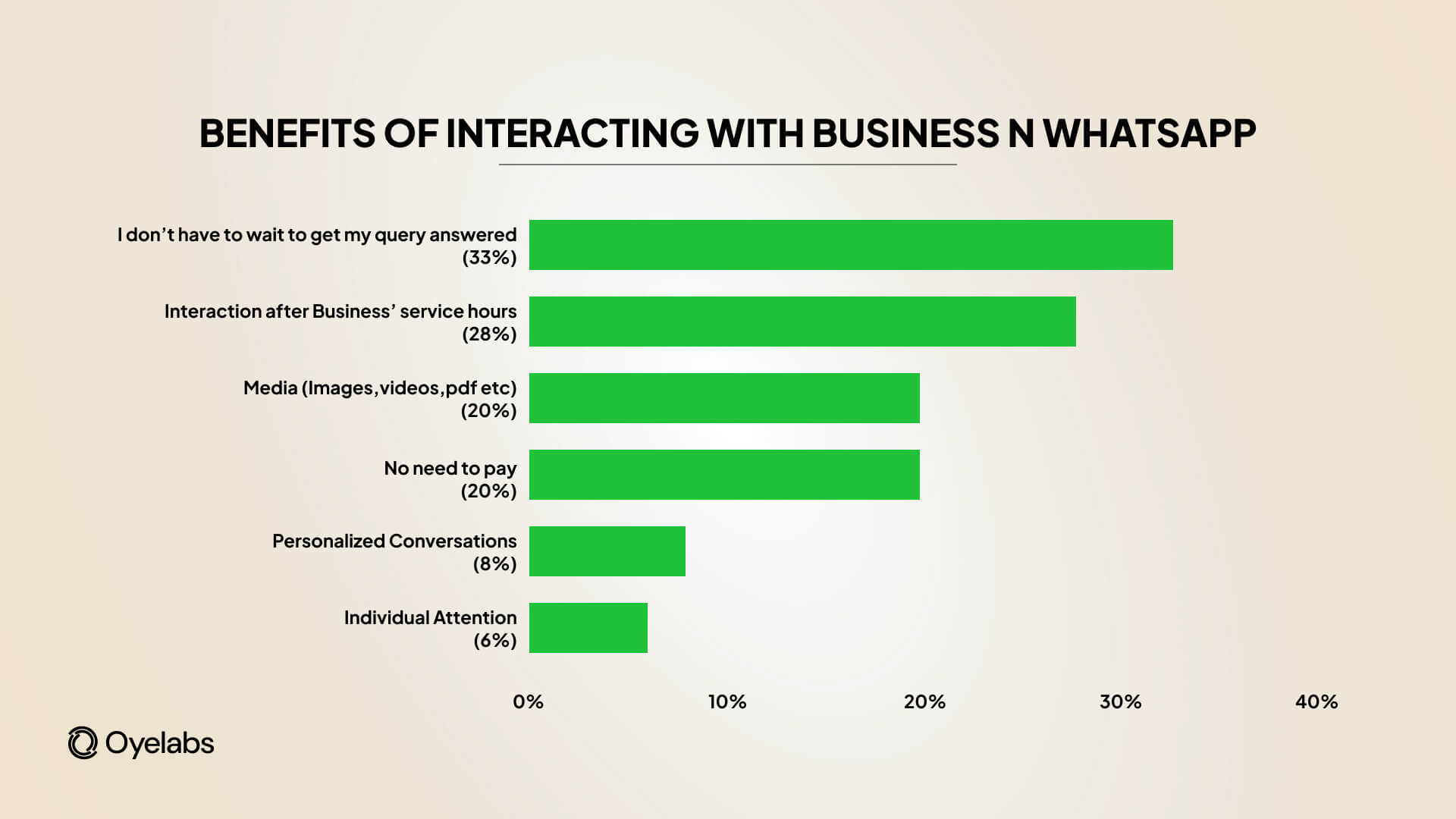
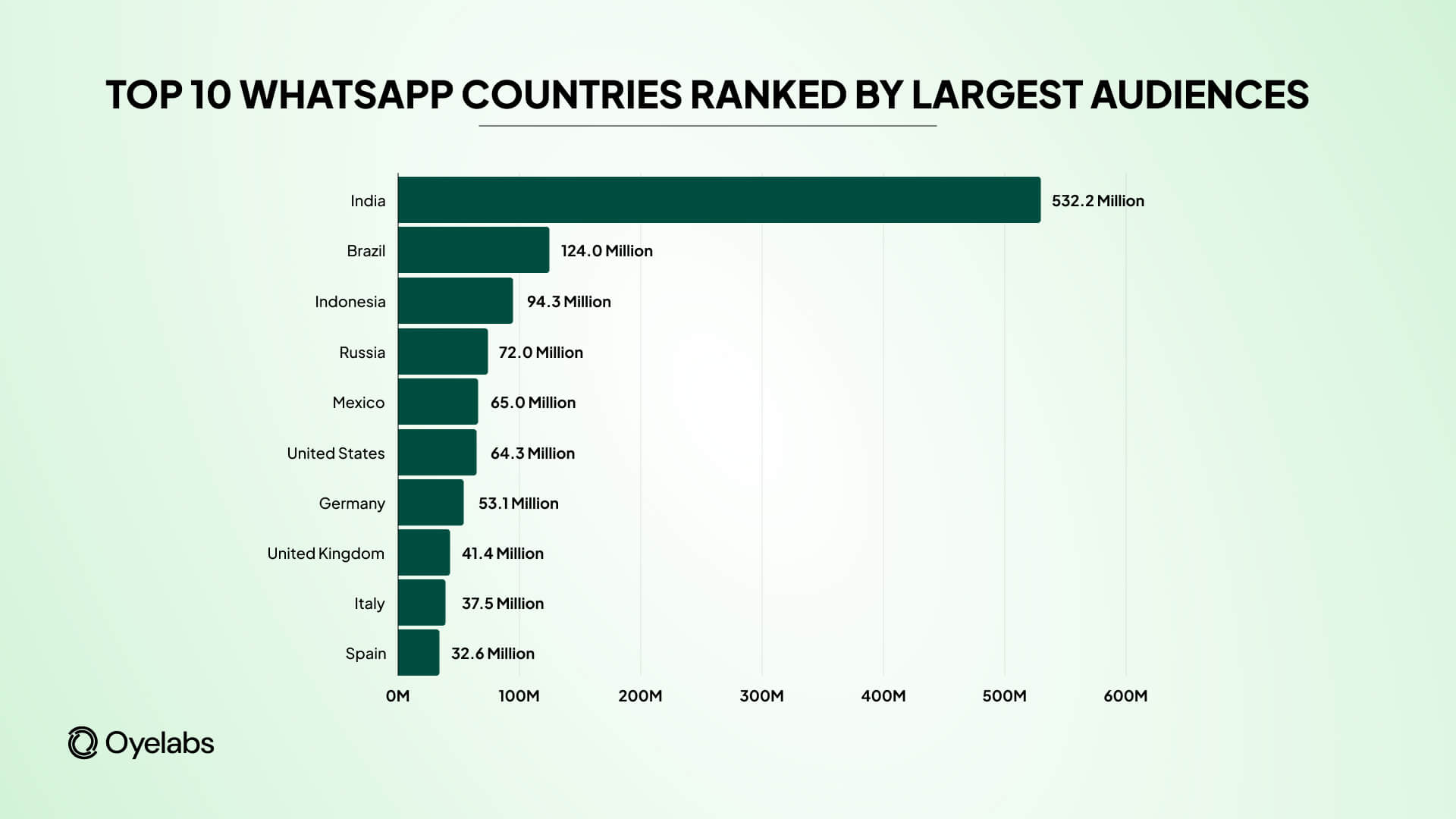
If you’ve ever contacted a business through WhatsApp to check an order, schedule a service, or get support, you’ve experienced the massive shift in how companies communicate today. WhatsApp, once just a simple chat app, has evolved into a powerful business tool connecting brands and customers instantly. With over 3 billion monthly active users and 175 million people messaging a business daily, it has become the go-to platform for real-time customer engagement. Businesses across industries now rely on WhatsApp to deliver quick responses, build trust, and enhance customer experience. For entrepreneurs, this presents a powerful opportunity. White-Label WhatsApp CRM SaaS solutions let you launch your own branded CRM without building one from scratch. These ready-to-use, customizable platforms make it easy to enter the booming SaaS market with low risk and high scalability. In this blog, we’ll explore how it works, its benefits, and why now is the right time to start. The global shift toward messaging-based communication has completely transformed how businesses interact with customers. In a world where consumers expect quick, personalized replies, WhatsApp has become the most trusted communication channel. According to a 2024 report, over eighty percent of small and medium businesses in emerging markets now rely on WhatsApp to manage customer communication. As these businesses grow, they face a common challenge, scaling their conversations while maintaining personalization. That’s exactly where White-Label WhatsApp CRM SaaS solutions come in. WhatsApp’s Business API, launched in 2018, opened the door for automation, integrations, and bulk communication. Today, more than 50 million businesses use WhatsApp Business to connect with customers, with 15 million of them based in India, making it one of the most widely adopted business communication tools globally. The platform’s growth continues to accelerate across industries, from retail and healthcare to education and real estate, as companies leverage WhatsApp to enhance engagement, boost sales, and deliver instant customer support. Here’s what makes this growth so compelling: Businesses love WhatsApp because it delivers immediate reach and incredibly high engagement rates. A white-label WhatsApp CRM brings all these features into one dashboard making it easy for companies to automate, manage, and track conversations. For entrepreneurs, it’s the perfect opportunity to launch a SaaS product that taps into an already massive and growing demand. The global SaaS market is projected to hit USD 720.44 billion by 2028. The model’s popularity lies in its scalability, low maintenance, and subscription-based income. Businesses prefer SaaS because it provides continuous updates, accessible cloud hosting, and zero installation hassles. A White-Label WhatsApp CRM fits perfectly into this ecosystem. It allows businesses to manage customer relationships and automate tasks like lead qualification, product inquiries, or support tickets. Meanwhile, entrepreneurs benefit from predictable recurring revenue streams through monthly or annual subscriptions. For example, if you sell your white-label solution at $99 per month and acquire 150 clients, that’s an annual recurring revenue of nearly $178,000 all from a system you didn’t need to build yourself. Developing a CRM from scratch demands significant time, technical expertise, and financial resources. Building a custom CRM can cost anywhere between $80,000 and $250,000, depending on features, integrations, and scalability requirements. White-label SaaS solutions eliminate that burden. You can license a fully functional platform from an existing provider such as AiSensy, 360Dialog, or WATI, rebrand it with your logo and domain, and start selling within weeks. All the backend infrastructure, APIs, and updates are managed for you. This means you can focus on what truly drives business growth branding, marketing, and client acquisition. Also Read: How AI in CRM Enhances Customer Experience & Boosts Sales A White-Label WhatsApp CRM acts as the central hub for managing all WhatsApp conversations in one place. It combines automation, analytics, and collaboration tools so that businesses can handle customer communication more efficiently. 1. Centralized Communication Hub: Instead of switching between multiple WhatsApp accounts or devices, all messages appear in a unified dashboard. Agents can view, reply, and assign chats to teammates. For example, an eCommerce brand can handle product inquiries, order tracking, and post-sale support seamlessly through one panel. 2. Contact Management and Segmentation: Customer data such as names, purchase history, and preferences are stored in the CRM. Businesses can tag and segment contacts into groups like “loyal customers” or “new leads.” This enables targeted campaigns and personalized offers. With WhatsApp’s 98% open rate, engagement levels far surpass those of email marketing. 3. Automation and Chatbots: Automation is the key feature that saves businesses time and effort. Chatbots can instantly respond to FAQs, confirm orders, or follow up on leads. For example, a salon could automate appointment reminders, while a retailer could send personalized discounts based on shopping behavior. These automations reduce manual work, increase efficiency, and maintain consistent customer service quality no matter how many chats are coming in. 4. Multi-Agent Collaboration: Growing companies need teamwork. A White-Label WhatsApp CRM allows multiple agents to handle messages from one number. Supervisors can monitor activity, assign conversations, and ensure consistency in tone and response time. It’s similar to how Intercom or HubSpot manage customer queries, but directly through WhatsApp. 5. Analytics and Reporting: Detailed analytics help businesses measure response times, chat volumes, and conversion rates. For instance, a customer support team can see which hours receive the most inquiries, or how many leads were converted from chat to sale. According to a report, businesses using CRM analytics see a thirty percent improvement in customer satisfaction on average. A White-Label WhatsApp CRM isn’t just a product; it’s a complete business model. It allows entrepreneurs to build scalable income streams and strong brand ownership while meeting real market demand. One of the biggest advantages of SaaS is its predictable and scalable recurring revenue model. As you onboard more clients, your monthly income grows steadily without the need for additional product development. For instance, 100 clients paying $99 per month generate about $120,000 in annual recurring revenue. While there are ongoing expenses such as hosting, customer support, and updates, profit margins generally remain high since the core product is already built and maintained efficiently. You get full control over your branding, pricing, and customization. Whether you want to target eCommerce stores, agencies, or local businesses, you can tailor the CRM’s features and pricing plans to fit their specific needs. This flexibility gives you a competitive edge over simple resellers because you’re building your own brand identity within the SaaS ecosystem. White-label providers manage all the complex backend processes, including hosting, API integration, and updates. This allows you to focus on growth areas like customer acquisition, support, and marketing instead of spending time on maintenance. The demand for WhatsApp CRMs continues to rise as businesses across sectors adopt WhatsApp for real-time communication. From real estate to healthcare and eCommerce, companies depend on WhatsApp to engage customers and streamline operations. Below is a snapshot of the top ten countries where WhatsApp dominates in terms of monthly active users: These figures clearly show why countries like India, Brazil, and Indonesia are ideal for launching White-Label WhatsApp CRM solutions. Businesses in these regions rely heavily on WhatsApp for sales, customer support, and engagement, creating strong demand for scalable, automation-ready CRM tools. The White-Label WhatsApp CRM industry sits at the intersection of two fast-growing sectors: SaaS and conversational commerce. Entrepreneurs entering this space face low competition and enjoy enormous scalability potential. You can easily niche down to specific industries: Adding extra services like chatbot setup, analytics consulting, and custom automation templates can further enhance your earnings. According to a 2024 report, 95% of customer interactions will involve chatbots or messaging automation by 2025-26. That means the demand for WhatsApp CRMs will only rise as more businesses realize the value of managing conversations efficiently. By entering this space now, entrepreneurs can build a recurring revenue model that grows month by month, while offering real, measurable value to clients. At Oyelabs, we help entrepreneurs build scalable, fully branded WhatsApp CRM platforms tailored for modern businesses. Our white-label solutions include automation, chatbot integration, analytics, and multi-agent support, giving you everything you need to offer a complete customer communication system under your own brand. Whether you’re targeting eCommerce brands, marketing agencies, or service-based businesses, our platform offers a fast, low-risk way to enter the booming SaaS market. With Oyelabs as your technology partner, you can focus on growth while we handle the technical foundation. Contact us today to launch your White-Label WhatsApp CRM SaaS with Oyelabs and turn customer conversations into long-term business success. The rise of White-Label WhatsApp CRM SaaS is redefining how entrepreneurs can build profitable tech businesses without writing a single line of code. It offers a chance to tap into the growing demand for customer communication and automation tools that every modern business now needs. With WhatsApp leading the way in global messaging, there has never been a better time to launch your own branded CRM solution. By combining WhatsApp’s vast user base with a powerful SaaS platform, you can build a business that scales rapidly, delivers real impact, and generates sustainable recurring income. If you’re ready to make your mark in the SaaS world, start now. Partner with a trusted provider, customize your solution, and take your brand to market. The next big SaaS success story could be yours. 1. What’s the difference between WhatsApp Business App and API? 2. Is official WhatsApp approval needed for White-Label CRM? 3. Can a White-Label WhatsApp CRM integrate with other tools? 4. How secure is customer data on a White-Label WhatsApp CRM? 5. What businesses benefit most from WhatsApp CRM SaaS? 6. How can entrepreneurs stand out with a White-Label WhatsApp CRM?
Why White-Label WhatsApp CRM Is Gaining Popularity
WhatsApp’s Growing Business Adoption
The Shift Toward SaaS and Automation
Faster Time-to-Market for Entrepreneurs
How a White-Label WhatsApp CRM Works
Business Advantages of White-Label WhatsApp CRM
Recurring Subscription Income
Brand Ownership and Flexibility
Minimal Technical Overhead
Growing Market Demand
Why This Is a Golden Opportunity for Entrepreneurs
Launch Your Own White-Label WhatsApp CRM SaaS
Conclusion
FAQs
The Business App suits small firms managing chats manually, while the API powers automation, integrations, and multi-agent support.
Yes, access to the API requires an approved BSP like 360Dialog or WATI, ensuring compliance and reliable connectivity.
Yes, it integrates with Shopify, HubSpot, and Google Sheets via APIs or Zapier for seamless automation and data sync.
Data is protected with end-to-end encryption, secure servers, and GDPR-compliant storage to ensure privacy and safety.
eCommerce, real estate, healthcare, education, and finance sectors gain the most from automated WhatsApp communication.
Offer niche-specific solutions, chatbot setup, strong branding, and great support to attract and retain more clients.