
ShortMax Business Model – Everything a Founder Needs to Know

ShortMax Business Model – Everything a Founder Needs to Know
 Sushmeet Setia
Last Updated on August 10, 2026
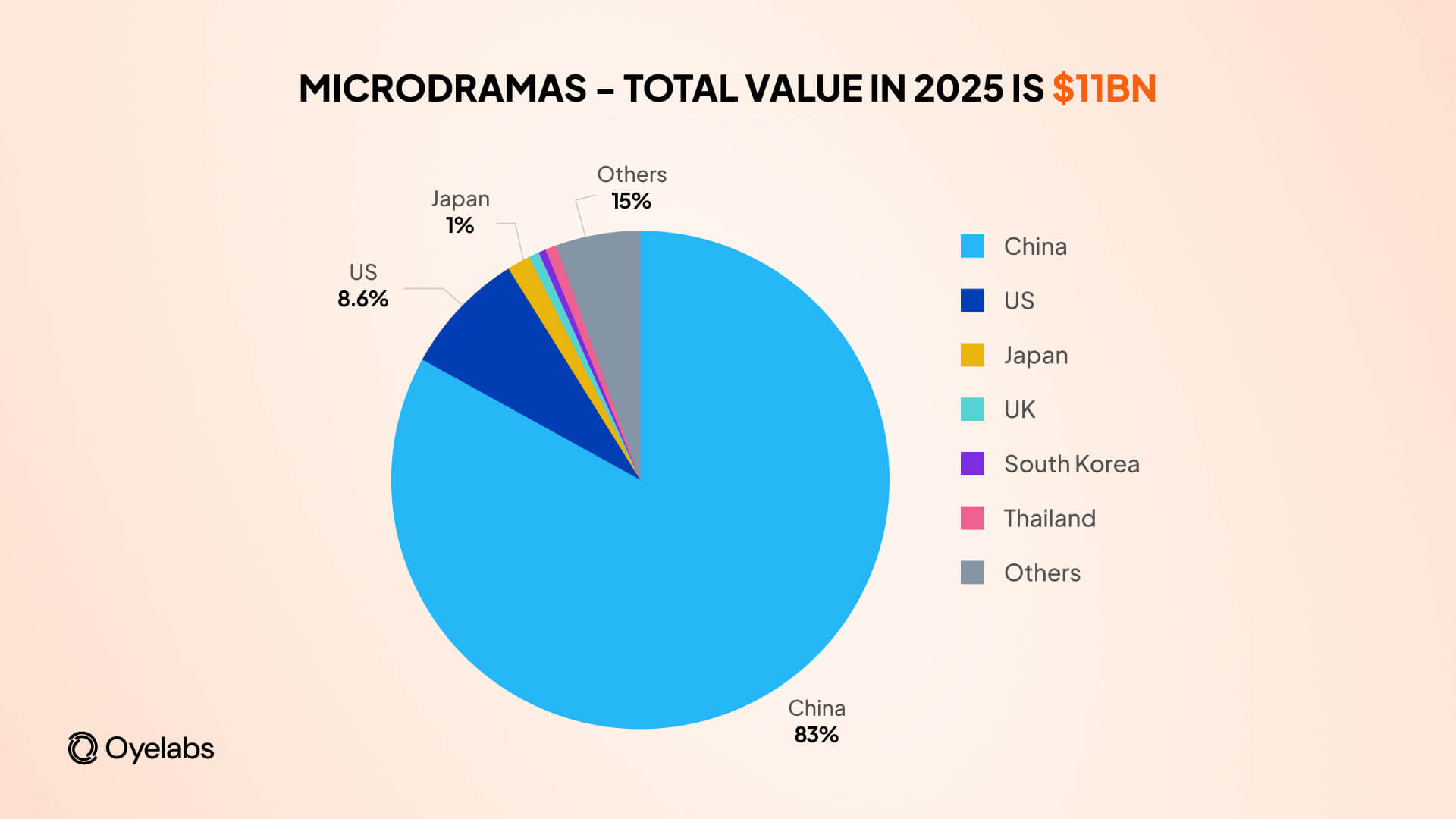
Key Takeaways – What You’ll Learn: Stats That Matter: A few years ago, vertical dramas were a niche format. Today, they’re one of the fastest-growing categories in mobile entertainment, attracting millions of viewers who prefer quick, mobile-first storytelling over traditional TV formats. Few platforms have grown as quickly as ShortMax. Its combination of cliffhanger storytelling, coin-based episode unlocks, subscription plans, and a mobile-first viewing experience has made it a benchmark for founders looking to build the next generation of vertical drama streaming platforms. So, what makes the ShortMax business model so successful? In this guide, you’ll learn how ShortMax works, how it generates revenue, the strategies behind its rapid growth, and the key lessons founders can apply when building a profitable vertical drama streaming platform. At its core, ShortMax is a mobile-first streaming platform built for one thing: vertical micro-dramas. Instead of adapting traditional TV shows for smartphones, every series is created specifically for vertical viewing, making it easy to watch with one hand, anytime and anywhere. Episodes typically last 45 seconds to 2 minutes, making them perfect for quick breaks, commuting, or casual scrolling. Rather than telling a complete story in one episode, ShortMax keeps viewers hooked with cliffhangers that make it hard to stop watching. The user journey is simple but highly effective. This combination of engaging storytelling and flexible monetization keeps viewers returning while generating consistent revenue. It’s not just about short videos. The platform is designed around content people can’t stop watching. Popular genres include: These emotional, fast-paced stories fit perfectly into today’s mobile-first lifestyle, where viewers want instant entertainment without committing to a 45-minute episode. ShortMax’s growth isn’t a coincidence. It entered the market at a time when millions of people were shifting from traditional TV shows to quick, mobile-first entertainment they could watch anytime. With short episodes, engaging cliffhangers, and content designed specifically for smartphones, it tapped into changing viewing habits at exactly the right moment. The market opportunity has grown just as quickly. According to Omdia, the global micro-drama market is projected to generate $11 billion in revenue in 2025 and reach $14 billion by the end of 2026, with China accounting for 83% of the market. These projections show that vertical dramas have evolved from a niche format into a rapidly growing entertainment industry, creating significant opportunities for founders looking to build the next generation of mobile-first streaming platforms. ShortMax has capitalized on this momentum through frequent episode releases, emotionally driven storytelling, and a hybrid monetization strategy that keeps users engaged while generating recurring revenue. Its global expansion and distribution through channels like TikTok Minis and PineDrama have further accelerated its growth, making it one of the leading platforms in the vertical drama industry. For founders, the takeaway is simple: ShortMax’s success isn’t driven by a single feature. It’s the result of combining compelling content, mobile-first design, smart distribution, and a scalable business model that aligns with how modern audiences consume entertainment. The ShortMax business model is designed like a funnel. Every stage has one goal: move users from discovering content to becoming loyal, paying customers. Step 1: User Acquisition: Everything starts with attracting new viewers. Users discover ShortMax through: The objective isn’t immediate revenue. It’s getting users to start watching. Step 2: Free Episodes: Once users open a series, they’re given 5 to 12 free episodes. These episodes aren’t random. They’re carefully designed to build emotional investment before introducing any payment requirement. Step 3: The Cliffhanger Paywall: Here’s where the business model becomes effective. Just as the story reaches its most exciting moment, the next episode is locked behind a paywall. Instead of feeling forced to pay, viewers are motivated by curiosity. Step 4: Flexible Payment Options: Rather than offering only one payment method, ShortMax gives users multiple ways to continue watching. They can: Different users prefer different payment methods, and the platform monetizes all of them. Step 5: Retention: Getting users to pay once isn’t enough. ShortMax encourages repeat visits through: Step 6: Repeat Spending: The final stage focuses on increasing customer lifetime value. Many users continue purchasing coin packs or renewing subscriptions as they move from one series to another. A small group of highly engaged users, often called whales, contributes a significant share of the platform’s revenue through repeat purchases. Founder Takeaway The technology behind ShortMax is important, but it isn’t what makes the business model successful. The real advantage comes from combining engaging content, well-timed paywalls, flexible monetization, and strong retention strategies into one seamless user experience. Also Read: ReelShort vs DramaBox: UX Patterns That Keep Users Watching No single payment button pays ShortMax’s bills. It stacks four separate revenue streams on top of each other, because a viewer who won’t buy coins might still watch an ad, and a viewer who skips the ad might still spring for a subscription. Losing any one stream means losing a whole segment of viewers, not just a slice of revenue. The coin engine does most of the heavy lifting. Omdia puts coin and subscription payments at over 60% of global micro-drama revenue, and the spending inside that number is lopsided: a small slice of viewers, the whales, drive a disproportionate share of it by buying large coin bundles to binge multiple series in one sitting. That’s the reason ShortMax sells coins in several bundle sizes instead of one, so a casual buyer and a whale are never shopping off the same shelf. The other three streams exist to catch everyone the coin engine misses. The starter pack works because a first purchase is the hardest one to get, and it’s usually a one-time-only offer for exactly that reason. Rewarded ads cap out around five views a day, so free coins run dry and nudge the viewer toward an actual purchase, but they’re not just a stopgap. Rewarded video CPMs in the US and UK run $15 to $40, and ShortMax, DramaBox, and ReelShort combined pulled in an estimated 5 billion rewarded ad views in 2024. That’s real money coming from people who never pay a cent directly. For a founder, the takeaway is that none of these four streams stands alone. Build the coin engine without the ad layer and non-payers generate nothing. Skip the premium pass and heavy bingers overpay in a way that eventually pushes them to churn. All four need to launch together, not get added on later. Building a platform like ShortMax takes more than a streaming app. You need a solution that supports content delivery, user engagement, and multiple monetization models from day one. At OyeLabs, we help founders launch customizable vertical drama platforms with features like coin-based episode unlocks, subscription management, rewarded ads, paywall logic, a CMS, personalized recommendations, multi-language support, and an analytics dashboard. Instead of building everything from scratch, you can launch faster, customize your platform for your market, and focus on growing your audience. The success of ShortMax proves that vertical drama streaming is more than a passing trend. It’s a business model built around mobile-first storytelling, high user engagement, and multiple revenue streams working together. But technology alone won’t build the next successful platform. Founders who combine compelling content, a well-designed monetization strategy, and a scalable product are the ones most likely to succeed in this competitive market. If you’re planning to build a platform like ShortMax, start by understanding your audience, validating your business model, and choosing technology that can grow alongside your business. Getting these fundamentals right from day one can save months of development time and help you launch with confidence. 1. How much does it cost to build a ShortMax-like app? A basic ShortMax-like platform typically starts under $5,000 using a white-label solution. Advanced customization, integrations, and unique features can increase the overall development cost. 2. Can I launch a ShortMax-like platform without producing original content? Yes. Many startups begin by licensing vertical dramas from studios or creators before investing in original productions, reducing both risk and upfront content costs. 3. Which countries offer the biggest opportunities for vertical drama apps? Besides China, strong growth opportunities exist in the United States, Southeast Asia, Latin America, and the Middle East, where mobile-first entertainment continues expanding rapidly. 4. What technology is needed to build a vertical drama streaming platform? A successful platform requires video streaming, payment integration, content management, user authentication, recommendation algorithms, analytics, and scalable cloud infrastructure for smooth performance. 5. How long does it take to launch a ShortMax-like platform? A white-label vertical drama platform can typically launch within 2–6 weeks, while fully custom development may take several months, depending on project complexity.
What Is ShortMax?
How Does ShortMax Work?
Why Do Users Love ShortMax?
Why Is ShortMax Growing So Fast?
How Does the ShortMax Business Model Work?
How Does ShortMax Make Money?
How OyeLabs Helps Founders Build Short Drama Platforms
Conclusion
FAQs