
Subscription vs Personalized Creator Platforms – Founder’s Guide

Subscription vs Personalized Creator Platforms – Founder’s Guide
 Sachin Sharma
Last Updated on December 16, 2025
Key Takeaways What You’ll Learn: Stats That Matter:
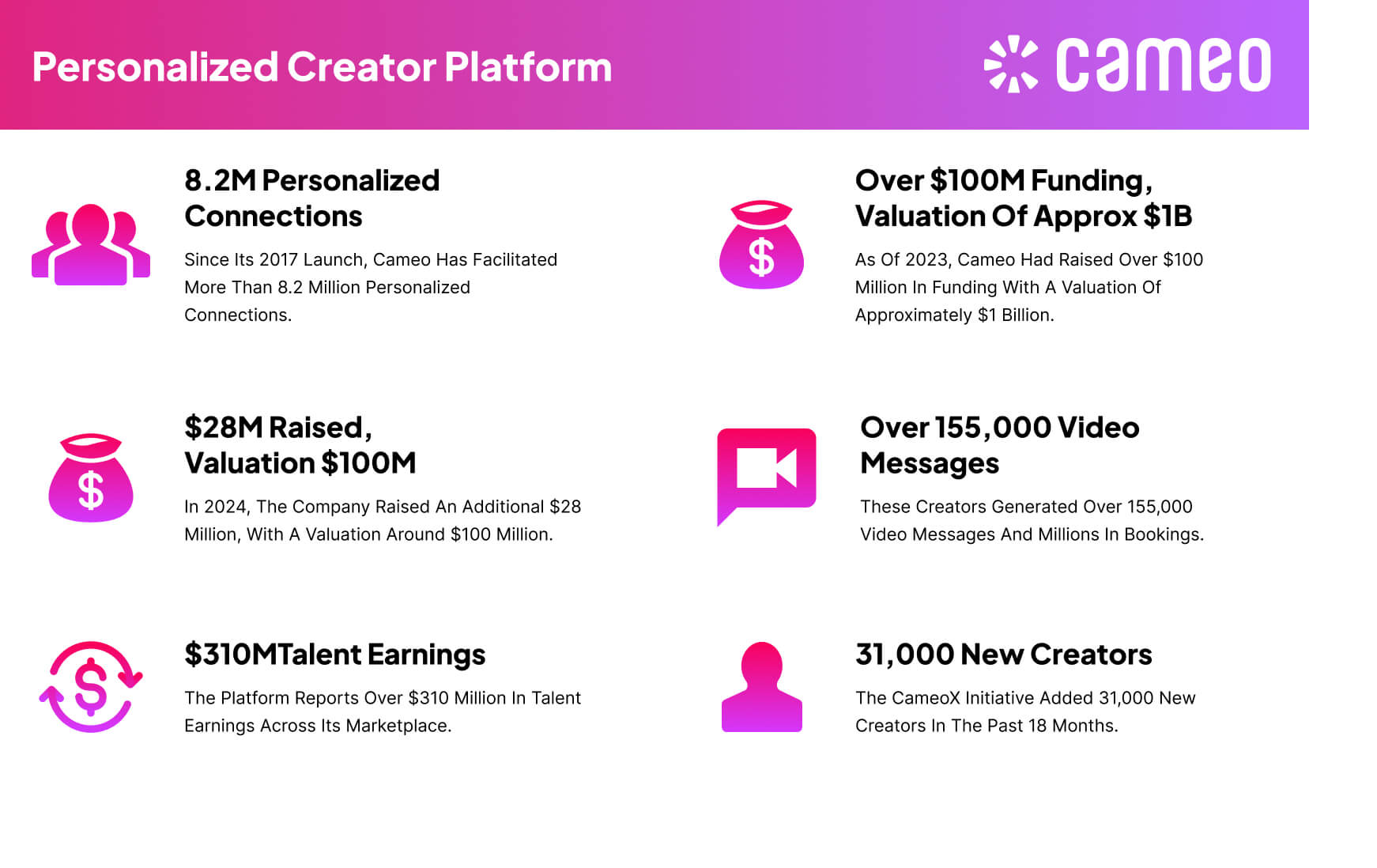
The creator economy is growing fast as audiences look for direct, personal connections with creators. For founders entering this space, one major decision will shape the whole platform: should users pay creators through monthly subscription-based platforms or for on-demand personalized content platforms? Both models are proven and profitable, but they work differently depending on user behavior and revenue goals. This guide helps founders understand whether to build a subscription-based creator platform with recurring payments or an on-demand personalized content platform for one-time purchases. It explains how each model works, where they succeed, and which option best fits your long-term vision. A subscription-based creator platform allows fans to pay a recurring monthly fee to access exclusive content from a creator. In an OnlyFans-like app, users subscribe once and continue receiving content as long as they remain subscribed. Creators post regularly, interact with fans, and build long-term relationships, making the platform dependent on consistent engagement rather than one-time transactions. This model has shown massive real-world success: by the end of 2024, OnlyFans reported about 377.5 million users, highlighting the demand and scalability of subscription-based creator platforms. Revenue comes from monthly subscriptions, paid premium content, tips, and private interactions, providing predictable income that grows as subscriber numbers increase. For founders, this means stable revenue and long-term growth potential, but success depends on providing creators with tools that make posting and engaging easy, if creators stop producing content, users are likely to unsubscribe. A personalized creator platform allows fans to pay for custom-made content created specifically for them, rather than subscribing to ongoing posts. On a video platform like Cameo, users can request personalized videos, greetings, shoutouts, or messages tailored to an individual or occasion. Once the creator delivers the content, the transaction ends, with no recurring payments or ongoing commitments. This model focuses on one-time value and emotional connection rather than long-term engagement. Personalized platforms have demonstrated strong traction: since launch, Cameo has facilitated over 8.2 million personalized interactions, and creators have collectively earned more than $310 million, highlighting the demand for this model. Revenue comes from commissions on each request, priority delivery fees, and featured creator listings. For founders, the advantage is ease of onboarding and creator flexibility, as creators earn only when fulfilling requests. The trade-off is less predictable income, which depends on steady demand and frequent user transactions. Overall, this model works best when users seek meaningful, personalized experiences rather than ongoing subscriptions. While subscription-based and personalized creator platforms may appear similar on the surface, they operate in fundamentally different ways. The distinction goes beyond pricing and directly affects user expectations, creator participation, and platform growth. Subscription platforms charge users on a monthly recurring basis. Once a user subscribes, payments continue automatically until the subscription is canceled. This creates a steady and predictable revenue stream for the platform and its creators. Personalized platforms, on the other hand, follow a pay-per-request model. Users make a single payment for a specific piece of custom content. After delivery, the transaction ends, and there is no ongoing financial commitment unless the user places another request. Users on subscription platforms expect continuous value. They log in regularly to consume new content, interact with creators, and feel part of an exclusive community. Their satisfaction depends on consistency and engagement over time. In contrast, users on personalized platforms are goal-oriented. They arrive with a specific purpose, such as ordering a greeting or promotional message. Once that need is fulfilled, engagement typically ends, making the experience short but emotionally impactful. Creators on subscription platforms must remain consistently active. Posting schedules, fan interactions, and content planning are essential to retaining subscribers. A drop in activity often leads to cancellations. Creators on personalized platforms operate with far more flexibility. They engage only when a request is received, allowing them to monetize without maintaining a constant content presence. This makes the model appealing to creators with limited time or unpredictable availability. The ease of building a creator platform depends on infrastructure needs and operational complexity. An OnlyFans-like app requires a robust and scalable system to support continuous content delivery and user engagement. Key requirements include: This model is more complex to develop and manage. However, once established, it offers long-term revenue stability and predictable growth through recurring subscriptions. A Cameo-like platform focuses on transactional efficiency rather than content volume. Core requirements include: Because it handles fewer ongoing interactions and less stored content, this model is easier to operate and faster to scale. The trade-off is revenue variability, as income depends on transaction volume rather than recurring payments. Choosing the right model depends largely on your long-term business goals, the type of creators you want to attract, and how you envision users interacting with your platform. A subscription-based creator platform is ideal if your focus is on building predictable, recurring revenue. This model works best when creators are able to publish content consistently, engage regularly with their audience, and foster strong, ongoing relationships with fans. By prioritizing retention and long-term engagement, this approach creates a stable revenue stream and encourages loyal user communities that keep growing over time. On the other hand, a personalized creator platform is better suited for scenarios where creators are celebrities, busy professionals, or influencers who cannot commit to frequent content creation. It also works well when user demand is driven by events or special occasions, such as birthdays, announcements, or promotions. This model allows for faster transactions and lower content pressure on creators, as income is generated through one-time personalized requests rather than recurring subscriptions. It’s particularly effective for delivering meaningful, targeted experiences that users are willing to pay for immediately. Ultimately, the right choice depends on aligning the platform’s revenue structure, creator expectations, and user behavior with your overall vision for growth and sustainability. There is no better or worse creator platform model, only the one that aligns with your long-term vision and target audience. A subscription-based platform, similar to an OnlyFans-like app, thrives on consistent creator activity, strong user retention, and predictable recurring revenue. In contrast, a personalized creator platform, like a Cameo-like platform, succeeds by delivering fast, meaningful interactions through one-time transactions driven by specific user needs. For founders, the decision ultimately comes down to how creators prefer to work and how users are willing to pay. Once this payment structure is clear, every other element, product features, user experience, and growth strategy, can be designed with clarity and purpose. 1. Can a creator platform use both subscription and personalized models together? 2. Which creator platform model scales faster globally? 3. Do creators prefer subscription or personalized platforms? 4. Which model requires more content moderation? 5. Can small creators succeed on personalized platforms? 6. Which platform model has lower user churn?
What Is a Subscription-Based Creator Platform?
What Is a Personalized Video Platform?
The Real Difference Between the Two Models
Payment Style
User Behavior
Creator Effort
Which Model Is Easier to Build?
Subscription Platforms
Personalized Platforms
Which Model Should You Choose as a Founder?
Ready to Build Your Creator Platform?
Conclusion
FAQs
Yes, many platforms combine subscriptions with paid custom requests to increase creator earnings.
Subscription platforms scale faster due to predictable recurring revenue and user retention.
Creators prefer subscriptions for steady income and personalized platforms for flexible workloads.
Subscription platforms require more moderation due to continuous content uploads.
Yes, small creators can earn well through niche and event-based personalized requests.
Subscription platforms have lower churn when creators post consistently.