
The Ride App Strategy Bolt Didn’t See Coming

 Sachin Sharma
Last Updated on January 21, 2026
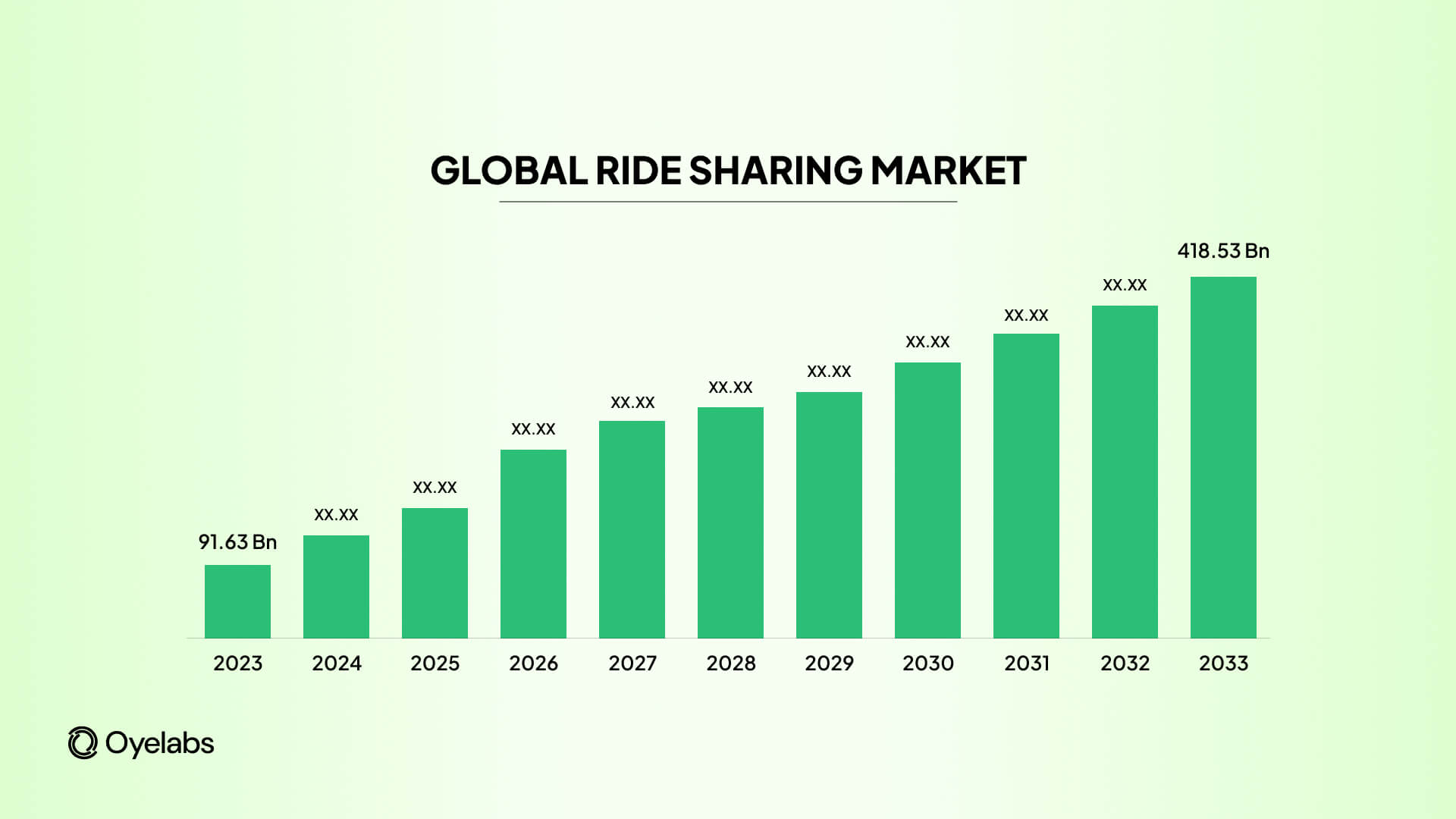
Key Takeaways What You’ll Learn: Ride-hailing growth no longer depends on cheaper fares or heavy discounts. Multi-service mobility platforms outperform single-purpose ride apps. Ecosystem depth creates stronger user habits and lower churn. Driver-focused tools improve retention more than short-term incentives. Localized ride solutions beat one-size-fits-all global models. Stats That Matter: The global ride-sharing market may reach USD 418.53 billion by 2033. Over 200 platforms now combine rides, bikes, scooters, and deliveries. More than 75% of ride apps use machine learning for pricing and demand.
The global ride-hailing market appears mature, with most urban users already relying on multiple apps and aggressive pricing compressing margins. Growth has slowed, profitability remains difficult, and regulatory pressure continues to rise. Yet beneath this surface stability, a major strategic shift is reshaping the industry. The future of mobility is no longer driven by cheaper fares or faster pickups, but by control, ownership, and ecosystem depth. Businesses planning to build a ride-hailing app today must think beyond basic trip bookings and focus on platform design. Ride apps are evolving into infrastructure platforms that support daily mobility needs for users and drivers, creating long-term relevance in a competitive market. For more than a decade, ride-hailing platforms relied heavily on price-based competition to fuel growth. Deep discounts, driver bonuses, surge incentives, and free ride credits were used to rapidly acquire users and onboard drivers. While this approach worked during early expansion phases, it also created long-term structural problems. Users became highly price-sensitive and increasingly disloyal. When incentives were reduced or fares increased, they switched platforms without hesitation. Drivers followed a similar pattern, prioritizing short-term bonuses over platform loyalty, which led to constant churn and rising operational costs. Bolt followed a comparable trajectory, expanding aggressively across regions through competitive pricing and localized branding. However, as customer acquisition costs increased and regulatory pressures intensified, price-led growth began to stall. This shift is especially significant as the global ride sharing market is expected to reach USD 418.53 billion by 2033, making margin sustainability more critical than ever. What once enabled rapid scale started limiting long-term profitability and strategic flexibility. This reality has driven a broader industry realization that sustainable growth cannot rely on rides alone. Without diversified revenue streams and stronger user lock-in, ride apps remain highly exposed to margin pressure and market volatility. The strategy gaining momentum today focuses on transforming ride apps into multi-service mobility platforms. Instead of serving as single-purpose booking tools, these platforms aim to become an essential part of a user’s daily routine. Rather than asking how to sell more rides, leading platforms are now focused on how to own more mobility moments throughout the day. This shift has driven the integration of complementary services such as bike and scooter rentals, local delivery and courier services, subscription-based mobility passes, enterprise transport solutions, and driver-focused financial and fleet management tools. In fact, across the industry, over 200 platforms now offer hybrid services that combine taxis, bikes, scooters, and public transit within a single app ecosystem. By bundling multiple services into one ecosystem, platforms increase user lifetime value while reducing reliance on ride margins. Users who depend on one app for commuting, errands, and deliveries engage more frequently and are far less likely to churn. This is a strategic layer Bolt did not fully capitalize on early, as its expansion focused more on geography and pricing than ecosystem depth. Also Read: Ride-hailing vs Ride-sharing vs Carpooling One of the most important changes in modern ride app strategy is the shift toward ecosystem ownership. Platforms that control multiple touchpoints, payments, subscriptions, logistics, data, and driver services, gain strategic leverage that pure ride apps simply do not have. Ecosystem ownership creates natural switching costs. When users store payment methods, subscribe to mobility plans, and depend on the same app for multiple services, moving to a competitor becomes inconvenient rather than effortless. The platform evolves from a transactional service into a habitual utility. For drivers, ecosystem depth is even more critical. Access to predictable earnings through subscription models, fleet optimization tools, instant payouts, insurance options, and maintenance support creates long-term dependency and loyalty. This stabilizes supply, reduces churn, and lowers operational friction, one of the most persistent challenges in ride-hailing. Platforms that fail to invest in driver ecosystems often struggle with inconsistent service quality and rising acquisition costs, regardless of how strong their consumer marketing may be. Another strategic blind spot for large ride-hailing platforms has been over-standardization. Bolt expanded rapidly by applying similar operating models across regions. While this approach enabled speed and scalability, it limited adaptability. Mobility needs vary significantly from city to city. Vehicle preferences, pricing sensitivity, regulatory requirements, and usage patterns differ widely, even within the same country. Platforms that impose uniform models often miss these nuances. Newer ride platforms are succeeding by going deeper rather than wider. They tailor offerings to city-level demand through customized pricing structures, region-specific vehicle categories, partnerships with local businesses, and collaboration with municipal authorities. Localized mobility solutions outperform generic ride apps because they address real, everyday problems instead of offering just another booking interface. This depth-first strategy builds stronger defensibility in individual markets. Also Read: Local Tactics That Fueled Indriver Global Expansion Another defining trend in ride app development is vertical specialization. Instead of trying to serve everyone, platforms are increasingly focusing on specific, high-value use cases. Examples include corporate employee transportation, school and university commute systems, intercity and long-distance travel networks, and logistics-first ride platforms. These verticals offer more predictable demand, clearer unit economics, and lower competitive intensity compared to mass-market ride-hailing. Vertical ride platforms also benefit from longer contracts, recurring revenue, and stronger customer relationships. Bolt’s broad-market approach made it difficult to dominate any single vertical deeply, leaving room for specialized competitors to gain traction. Despite common assumptions, technology alone is no longer a meaningful differentiator in ride-hailing. Most platforms now have access to similar mapping services, routing algorithms, and payment infrastructure. In fact, over 75% of ride-hailing companies now employ machine learning models to dynamically adjust fares and forecast demand, making advanced technology a baseline rather than a unique advantage. The real competitive edge comes from how technology is applied. Smart dispatch systems that reduce idle time, pricing models aligned with local regulations, compliance-ready architectures, and modular platforms that support rapid service expansion separate sustainable platforms from struggling ones. Newer ride app strategies prioritize adaptability over speed. Rather than scaling quickly and fixing later, they design platforms capable of evolving with regulatory, market, and user behavior changes. For entrepreneurs and businesses entering the ride-hailing market today, the lesson is clear. Competing head-on with established apps on pricing, incentives, or geography is a losing strategy. Sustainable success lies in building a ride-hailing app as a platform rather than a single feature. Designing for multi-service expansion from day one, prioritizing driver retention over short-term growth, and focusing on niche or underserved mobility segments creates stronger long-term positioning. A well-structured ride app with ecosystem depth can outperform much larger competitors that remain constrained by legacy, ride-only models. Looking to enter the ride-hailing market with a platform that delivers more than just rides? At Oyelabs, we specialize in building scalable, on-demand ride-hailing platforms like Indriver or Bolt designed for both users and drivers. From smart dispatch systems and dynamic fare models to integrated mobility services and driver management tools, our solutions help you create a complete ecosystem. Whether you want to offer taxis, scooters, deliveries, or corporate mobility, we provide end-to-end development to bring your vision to life. Build an on-demand ride-hailing platform that engages users, retains drivers, and drives long-term growth, partner with Oyelabs today. Bolt’s journey reflects a broader transformation within the ride-hailing industry. The future does not belong to the app offering the lowest fares, but to the platform that owns the most meaningful mobility use cases. Ride apps that evolve into flexible, localized, and service-rich ecosystems will define the next phase of growth. For businesses planning to enter this space, the opportunity remains wide open, provided the strategy goes beyond rides and focuses on building durable, long-term platform value. 1. How do ride-hailing apps maintain growth in saturated cities? 2. Why are subscriptions gaining importance in ride-hailing platforms? 3. How do ride apps manage profitability with rising fuel costs? 4. What makes regional ride-hailing platforms more resilient? 5. How does platform-owned data influence strategic decisions?
When Price Wars Stop Working
The Shift from Ride App to Mobility Platform
Why Ecosystem Ownership Matters
Localized Expansion Beats Global Uniformity
The Rise of Vertical Ride Platforms
Technology Was Never the Advantage
What This Means for New Ride App Businesses
Launch Your Own Ride-Hailing App with Oyelabs
Conclusion
FAQs
Ans – They diversify services, target underserved routes, partner locally, and focus on operational efficiency instead of relying only on user acquisition.
Ans – Subscriptions ensure predictable revenue, improve user retention, reduce churn, and encourage frequent usage without heavy discount-based acquisition strategies.
Ans – Platforms adjust dynamic pricing, promote electric vehicles, optimize routing algorithms, and share operational efficiencies with drivers.
Ans – Local platforms understand regulations, commuter behavior, pricing sensitivity, and cultural preferences better than global competitors.
Ans – Trip data supports smarter pricing, demand forecasting, route optimization, and faster expansion into adjacent mobility services.