
China Approved the US TikTok Deal – Business Impact Analysis

China Approved the US TikTok Deal – Business Impact Analysis
 Sachin Sharma
Last Updated on November 5, 2025
Key Takeaways What You’ll Learn: China has officially approved TikTok’s U.S. ownership transfer deal. TikTok will stay in the U.S. under American management and data control. ByteDance keeps a small stake through an algorithm licensing model. The deal restores trust among users, brands, and investors. The approval shows U.S. and China can still cooperate in tech. Stats That Matter: TikTok has over 170 million users in the U.S. alone. The short-form video market is worth over $25 billion globally.
China has officially approved the transfer deal for TikTok, marking a defining moment in U.S.-China tech relations. The announcement came from U.S. Treasury Secretary Scott Bessent, who confirmed that the agreement was finalized in Kuala Lumpur following a meeting between President Donald Trump and Chinese leader Xi Jinping. President Trump’s September 25, 2025, order had approved the sale of TikTok to U.S. and global investors, granting 120 days to finalize the deal and delaying enforcement of the 2024 data security law until January 20, 2026. With Beijing’s approval now secured, the long-debated future of TikTok’s U.S. operations is finally taking shape, bringing regulatory clarity to millions of users, advertisers, and investors worldwide. This development is more than a policy update; it’s a signal that cooperation between the world’s two largest economies in the tech sector is still possible. Below, we analyze how this approval affects business, trade, and the broader social media ecosystem. For years, Washington had raised concerns over ByteDance’s ownership of TikTok, fearing potential misuse of user data and influence from the Chinese government. To address these issues, the U.S. pushed for ByteDance to divest its U.S. operations to a consortium of American and global investors. According to Treasury Secretary Scott Bessent, China’s Ministry of Commerce has now formally approved this transfer, allowing the restructuring process to move forward in the coming weeks. Though Bessent did not share details about the ownership distribution, his comments indicate that Washington and Beijing are now aligned on allowing TikTok to transition under new governance. The most critical element of the TikTok deal is the balance it achieves. The TikTok app will continue to operate in the U.S. with user data stored domestically and overseen by American management, while ByteDance retains a minority stake through an algorithm licensing model. This structure ensures the U.S. gains operational control and compliance transparency without severing TikTok’s technological backbone, preserving its global innovation capacity. The approval instantly stabilizes TikTok’s business environment in the U.S. For months, uncertainty around potential bans had affected advertisers and creators who relied heavily on the platform. Now, with both governments in agreement, companies can move forward with long-term marketing and partnership strategies. TikTok’s 170 million U.S. users make it one of the most valuable digital ecosystems for advertisers. The short-form video market, valued at over $25 billion globally in 2024, continues to expand as brands increasingly prioritize video-first content strategies. With regulatory clarity restored, companies are expected to resume investments in TikTok ads, influencer campaigns, and e-commerce integrations through TikTok Shop. The decision also reshapes the competitive landscape. Rivals such as Instagram Reels, YouTube Shorts, and Snapchat Spotlight, which had benefited from TikTok’s uncertain future, will now face renewed competition. As the short-form video market heats up again, startups aiming to build a TikTok clone app can draw key lessons from this deal, especially in balancing innovation with compliance, user trust, and scalable infrastructure. From an economic standpoint, this agreement strengthens investor confidence in cross-border tech collaboration. It sends a clear message that strategic negotiation, not decoupling, is the future of global business. U.S.-based data centers, compliance infrastructure, and local jobs tied to TikTok’s operations are also likely to expand as part of the transition. For content creators and influencers, the deal eliminates months of anxiety about platform stability. Many had diversified to other apps amid the uncertainty, but the renewed security means they can refocus on TikTok, the platform that continues to lead in engagement rates and viral reach. Creator earnings on TikTok grew over 42.8% year-over-year, highlighting the platform’s growing potential for monetization and long-term income stability. Brands also stand to gain. With the platform’s regulatory standing solidified, marketing teams can confidently plan campaigns targeting younger audiences who spend most of their mobile screen time on TikTok. The app’s short-form video format remains one of the most powerful tools for brand discovery and consumer engagement in the digital economy. Moreover, TikTok’s compliance upgrades will likely make it more attractive to enterprise advertisers who previously hesitated due to security concerns. Transparency reports, U.S.-based audits, and government oversight will enhance the platform’s credibility, particularly for high-value brand collaborations. Beyond business, this deal carries deep geopolitical significance. It marks a rare moment of alignment between Washington and Beijing after years of trade friction. President Trump’s September 25 order and Xi Jinping’s subsequent cooperation demonstrate that pragmatic diplomacy can overcome regulatory deadlocks. By delaying enforcement of the 2024 foreign tech law until January 2026, the U.S. created breathing space for a negotiated outcome, signaling that trade stability and investor confidence remain top priorities. China’s willingness to approve the deal suggests an intent to de-escalate tensions and protect its global tech interests. For the broader U.S.–China trade relationship, this sets a hopeful precedent. It shows that even in an era of competition, structured compromise is possible when both nations recognize the mutual economic stakes involved. The TikTok model could influence how future disputes in AI, semiconductors, and digital infrastructure are resolved. Also Read: How to Attract Content Creator to Your App Like TikTok While the approval brings optimism, several challenges remain. The finalization process, set to unfold over the next few months, involves complex details around ownership structure, data compliance, and algorithm licensing. Any disagreements over these terms could delay execution. Political volatility is another risk. A shift in U.S. administration or future congressional hearings could revive calls for stricter oversight. Similarly, Beijing will be cautious about protecting its intellectual property, particularly TikTok’s recommendation algorithm, which remains one of its most valuable assets. Operationally, TikTok must continue to prove compliance through independent audits and localized data management. Transparency and trust will be crucial to maintain user confidence and prevent renewed regulatory pressure. The TikTok approval is likely to reshape how global tech companies approach international compliance. The concept of localized governance, where data, operations, and ownership are divided by jurisdiction could become the new norm for digital platforms operating across borders. For investors, this event revives optimism about tech-sector diplomacy. Cross-border mergers and acquisitions, once viewed as politically risky, may regain traction as governments refine frameworks for collaboration. For the social media industry, TikTok’s continued U.S. presence ensures competitive diversity. Rival platforms will push harder on creator monetization, AI tools, and shopping integrations to keep pace. Meanwhile, TikTok’s strengthened position may inspire new on-demand social media startups aiming to combine localized data policies with global scalability. With China approving the U.S. TikTok deal, the short-form video industry is entering a new era of opportunity. If you’ve ever considered launching your own TikTok-inspired app, now is the perfect time. At Oyelabs, we specialize in creating secure, scalable, and feature-rich video-sharing platforms designed to engage global audiences. From advanced algorithms and live streaming to monetization and analytics, we help you build a platform that stands out in a competitive market. Partner with us to turn your vision into a thriving digital business and capitalize on the growing demand for short-form video content. Start building today! China’s approval of the U.S. TikTok transfer deal is a landmark in global business diplomacy. It demonstrates that even amid political tension, mutual economic interests can drive cooperation. The decision secures TikTok’s future in the U.S., restores confidence among creators and advertisers, and paves the way for a more structured, transparent model of international tech governance. As the deal moves forward in the coming months, it will not only redefine TikTok’s operations but also influence how nations manage technology partnerships in an increasingly interconnected world. 1. Will TikTok’s algorithm change after the U.S. ownership transfer? 2. How does this deal affect TikTok users outside the United States? 3. Could this deal inspire similar actions for other Chinese-owned apps? 4. Will TikTok’s data now be fully stored in the U.S.? 5. Does this deal guarantee TikTok will not face another ban in the future? 6. How might this approval impact startups building short-form video apps?
Understanding the Deal

Business and Market Impact
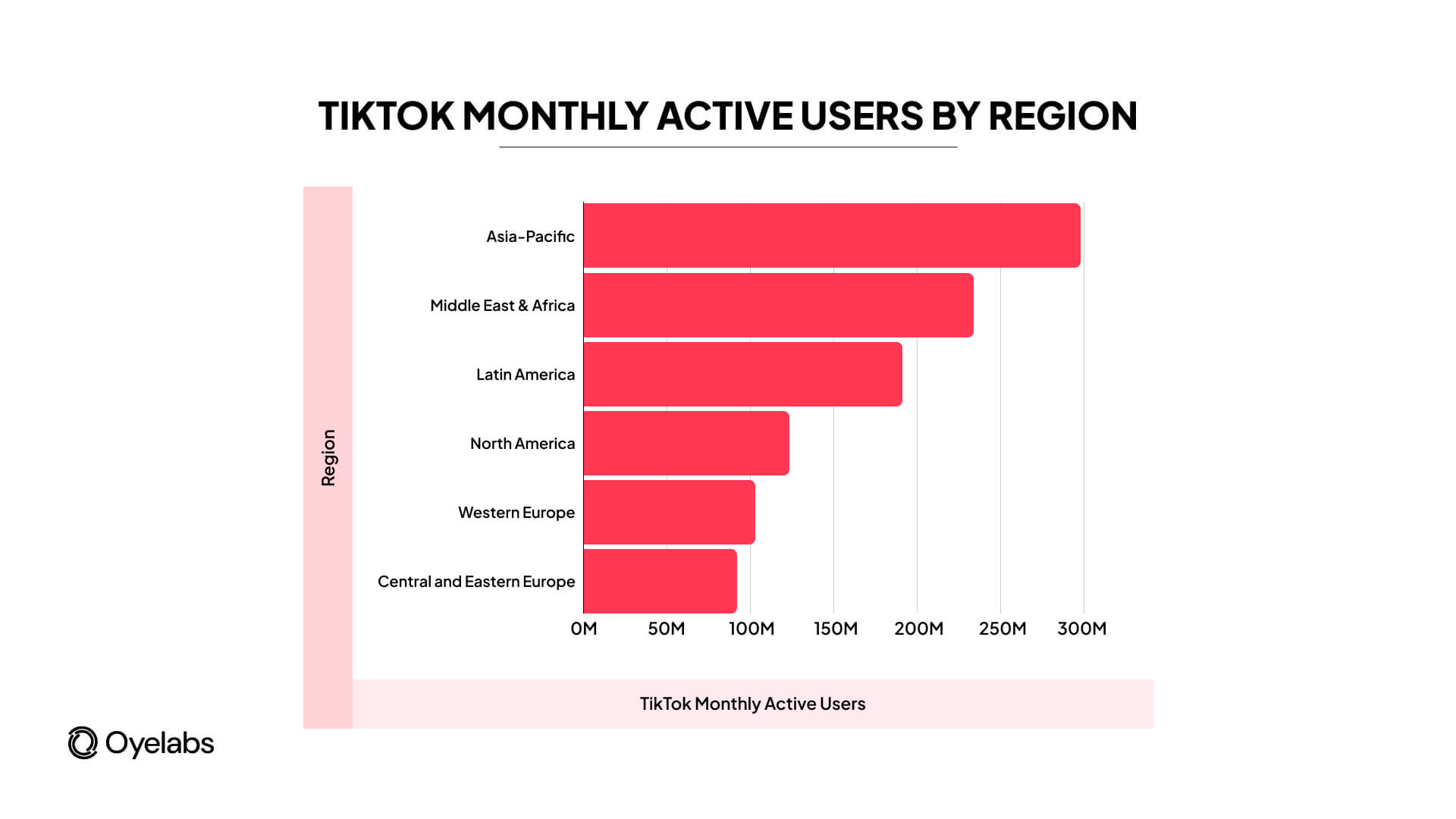
Impact on Brands and Creators
Trade and Geopolitical Implications
Challenges and Risks Ahead
Future Outlook
Create Your Own TikTok-Style Platform
Conclusion
FAQs
No, the core algorithm, which powers TikTok’s content recommendations, will remain intact. It will now operate under a U.S.-licensed model to ensure transparency and compliance with American data regulations. Users will continue to enjoy the same personalized experience with stronger oversight.
For users outside the U.S., TikTok’s experience will not change. The ownership transfer mainly affects governance and data storage for American users. International users will continue to enjoy the same features, trends, and content experience as before.
Yes, this approval could set an example for future cross-border negotiations. U.S. regulators may adopt a similar approach to ensure data transparency and compliance for other popular Chinese-owned platforms like Temu or CapCut, balancing innovation with national security.
Yes, as part of the deal, all U.S. user data will be stored in domestic data centers and monitored by American management. This move aims to build user trust and comply with data privacy standards required by U.S. regulators.
Not entirely. While the deal significantly reduces the risk of a ban, future restrictions could still emerge depending on political shifts or new legislation. Continuous compliance and transparency will be crucial to TikTok’s long-term stability in the U.S. market.
This decision opens new opportunities for startups. It highlights the importance of local data compliance, transparent governance, and global scalability. Entrepreneurs looking to create TikTok-style platforms can now enter the market with clearer guidelines for regulatory and operational success