
How to Reduce Drop-Off on an OnlyFans-Like Platform

How to Reduce Drop-Off on an OnlyFans-Like Platform
 Sachin Sharma
Last Updated on December 5, 2025
Key Takeaways What You’ll Learn Users quit early when onboarding is slow or confusing. Simple onboarding reduces first-day drop-off and improves retention. Content that matches user expectations reduces cancellations. Flexible subscription plans lower drop-off and boost conversions. Regular content updates improve platform stickiness. Stats That Matter Most users leave an app within 5 seconds of poor experience. Retaining a user costs up to 25 times less than acquiring one. A 5% retention boost can increase profits by up to 95%. Returning users spend up to 67% more than new subscribers.
Retention is one of the most pressing challenges for subscription-driven platforms, especially for anyone running or planning to launch a creator-focused subscription platform. While attracting new users is important, long-term success depends on keeping those users engaged and subscribed. Many platforms see strong initial sign-ups, followed by a noticeable decline in activity or cancellations. This drop-off affects revenue, creator satisfaction, and overall platform stability. In this blog, we explore what drop-off truly means, why users leave, the most common issues that lead to declining engagement, and practical strategies to reduce drop-off for a more sustainable subscription-based platform. Drop-off represents the various stages where users disengage from a subscription-based platform, whether they stop interacting, reduce activity, or cancel their subscription altogether. These patterns generally appear in three main forms: -Early Drop-Off: When users register but never complete onboarding or interact with any content. Industry data highlights how critical it is to address drop-off early. Multiple studies show that acquiring a new customer costs 5–25 times more than retaining an existing one, making each lost user significantly more expensive to replace. Research also indicates that improving customer retention by just 5% can increase profits by 25% to 95%, thanks to longer subscription durations and a more stable revenue flow. For subscription platforms in general, loyalty strengthens financial performance. Returning users tend to spend up to 67% more than first-time customers, interact more frequently, and are more likely to remain subscribed for extended periods. This helps reduce churn, stabilize monthly recurring revenue, and improve forecasting. Understanding why these drop-off points occur enables platform owners to identify at-risk users early, apply targeted retention strategies, and build a healthier, more predictable subscription business. Drop-off does not happen without a reason. It is usually the result of friction, unmet expectations, or a lack of meaningful connection. Understanding these core issues helps platform owners remove the barriers that push users away and strengthen the areas that keep them engaged. Poor Onboarding Experience: A complicated or slow sign-up flow is one of the biggest contributors to early drop-off. When new users are met with too many steps, unclear instructions, or verification delays, they lose excitement and abandon the process before ever experiencing the value of the platform. A smooth, intuitive onboarding experience is often the difference between a curious visitor and a long-term subscriber. Content Misalignment: Users join with specific expectations that often come from marketing promises, creator promotions, or platform positioning. When the actual content does not match what they expected, disengagement happens quickly. Whether it is inconsistent posting, unclear niches, or a lack of exclusive value, any mismatch makes users feel they are not receiving what they signed up for. Lack of Engagement Features: Modern subscription platforms rely on interaction. Without tools like messaging, polls, live sessions, or community-driven features, subscribers feel distant from creators. A static content feed may attract initial attention, but long-term retention depends on giving users reasons to participate, react, and stay involved. Billing or Payment Issues: Unexpected payment failures, expired cards, limited payment options, or inflexible subscription models directly cause involuntary churn. Many users do not intentionally unsubscribe. They simply fall off because of technical issues in the billing flow. Without proactive reminders or seamless payment alternatives, these users disappear silently. Impersonal Experience: Users are far less likely to stay when the platform feels generic. If communication lacks personalization, if recommendations are not tailored, or if creators do not acknowledge their audience, loyalty declines. Subscribers want to feel seen, valued, and connected. When that emotional link is missing, drop-off becomes very likely. Related Read: How to Retain Creators and Subscribers The first interactions shape a user’s perception of your platform. To reduce drop-off: Personalization increases engagement and reduces the likelihood of drop-off: Creating a sense of belonging strengthens retention: Payment issues are a leading cause of involuntary drop-off: Understanding user behavior is crucial: If you are planning to build a modern, feature-rich OnlyFans clone, Oyelabs can help you bring your platform to life with a customized approach tailored to your goals. We create high-quality creator subscription platforms with smooth onboarding, flexible monetization tools, secure payment systems, and an intuitive interface designed to support both creators and subscribers. Whether you want advanced content controls, messaging features, pay-per-view options, or a complete creator dashboard, our team ensures every element is built for performance and scalability. If you’re ready to launch a powerful OnlyFans clone that stands out, connect with Oyelabs and start building your platform today. Drop-off is a natural challenge for any subscription-based creator platform, but it can be managed effectively with the right approach. When platforms focus on smoother onboarding, personalized content recommendations, consistent engagement features, and reliable payment systems, users are far more likely to stay active and subscribed. Understanding user behavior, identifying early warning signs, and acting on feedback ensures that the platform continues to evolve with user expectations. By combining these strategies, subscription-driven creator platforms can improve retention, strengthen community loyalty, and create predictable revenue streams. The key is to treat retention as an ongoing priority rather than a single-time fix. 1. How much drop-off is considered normal for a subscription platform? 2. Does posting frequency affect drop-off on creator platforms? 3. Can offering discounts really reduce drop-off? 4. Do mobile app issues increase drop-off on creator platforms? 5. Does audience niche size impact drop-off? 6. Can better creator profiles reduce drop-off?
Understanding Drop-Off (Why Users Leave)
-Subscription Churn: When subscribers cancel after a free trial, discount period, or a few months.
-Engagement Drop-Off: When users stay subscribed but gradually stop consuming or interacting with content.Common Causes of Drop-Off
Strategies to Reduce Drop-Off
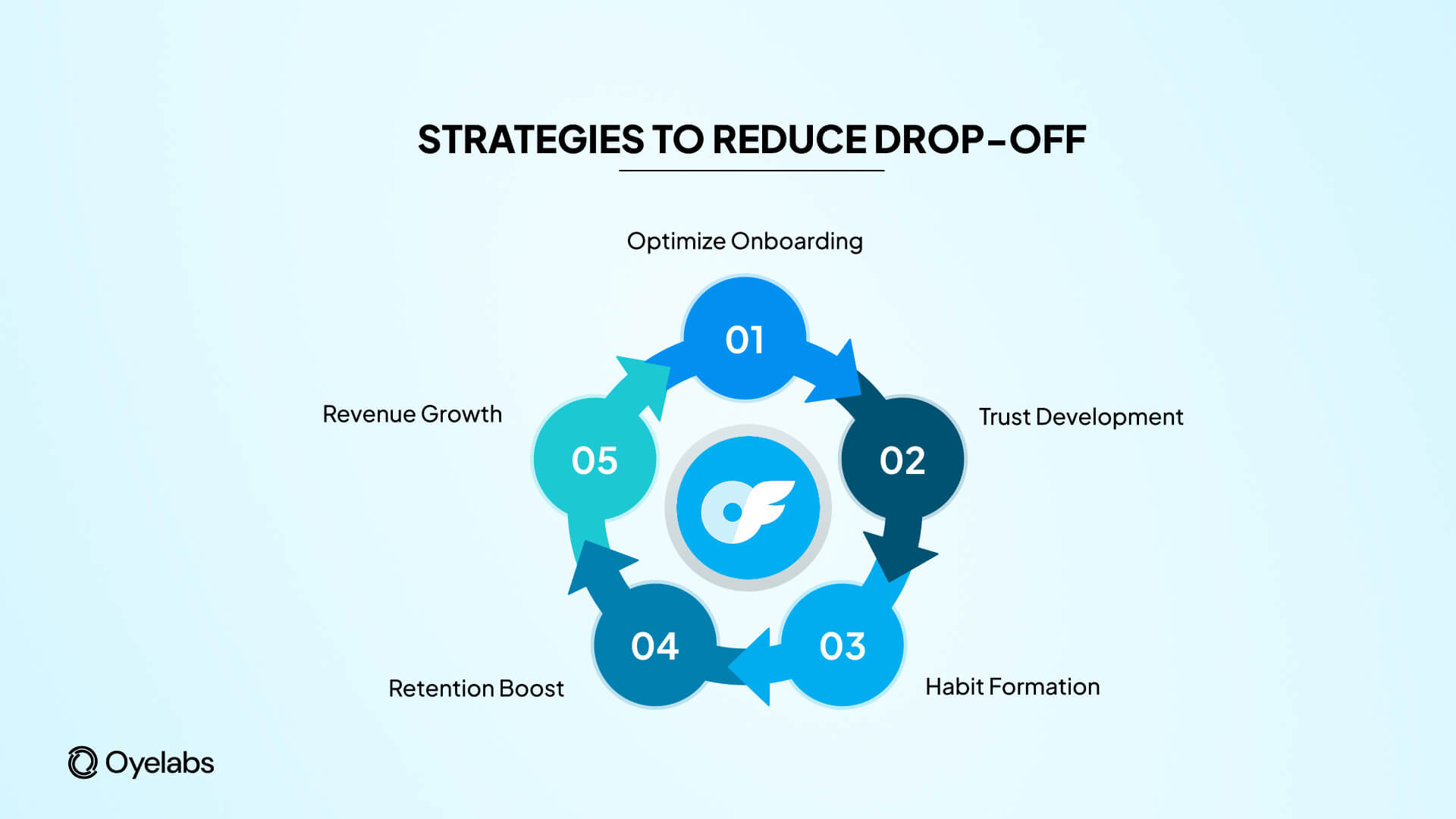
1. Optimize Onboarding
2. Personalize the User Experience
3. Foster Community and Engagement
4. Ensure Reliable Billing and Subscription Management
5. Collect Feedback and Analyze Churn
Build Your Own Creator Subscription Platform
Conclusion
FAQs
Most subscription platforms see 25–40% drop-off in the first 30 days.
Yes, inconsistent posting leads to faster drop-off and lower repeat engagement.
Short-term discounts help delay drop-off but work best with good content.
Yes, slow load times or crashes significantly increase early drop-off.
Smaller, loyal niches usually see lower drop-off than broad, generic audiences.
Clear bios, themed content, and updated profiles help reduce early user drop-off.