
Is TikTok the New Super App in the Market? TikTok Super App Explained

Is TikTok the New Super App in the Market? TikTok Super App Explained
 Sachin Sharma
Last Updated on June 8, 2026
Key Takeaways
What You’ll Learn:
- TikTok is evolving from a video app into a super app.
- TikTok combines content, shopping, subscriptions, and creator earnings.
- In-app commerce reduces friction and increases conversions.
- Multiple monetization options help creators earn more consistently.
- Super apps keep users engaged longer than traditional apps.
Stats That Matter:
- TikTok has over 1.5 billion monthly active users globally.
- TikTok Shop US sales grew 407% in 2024.
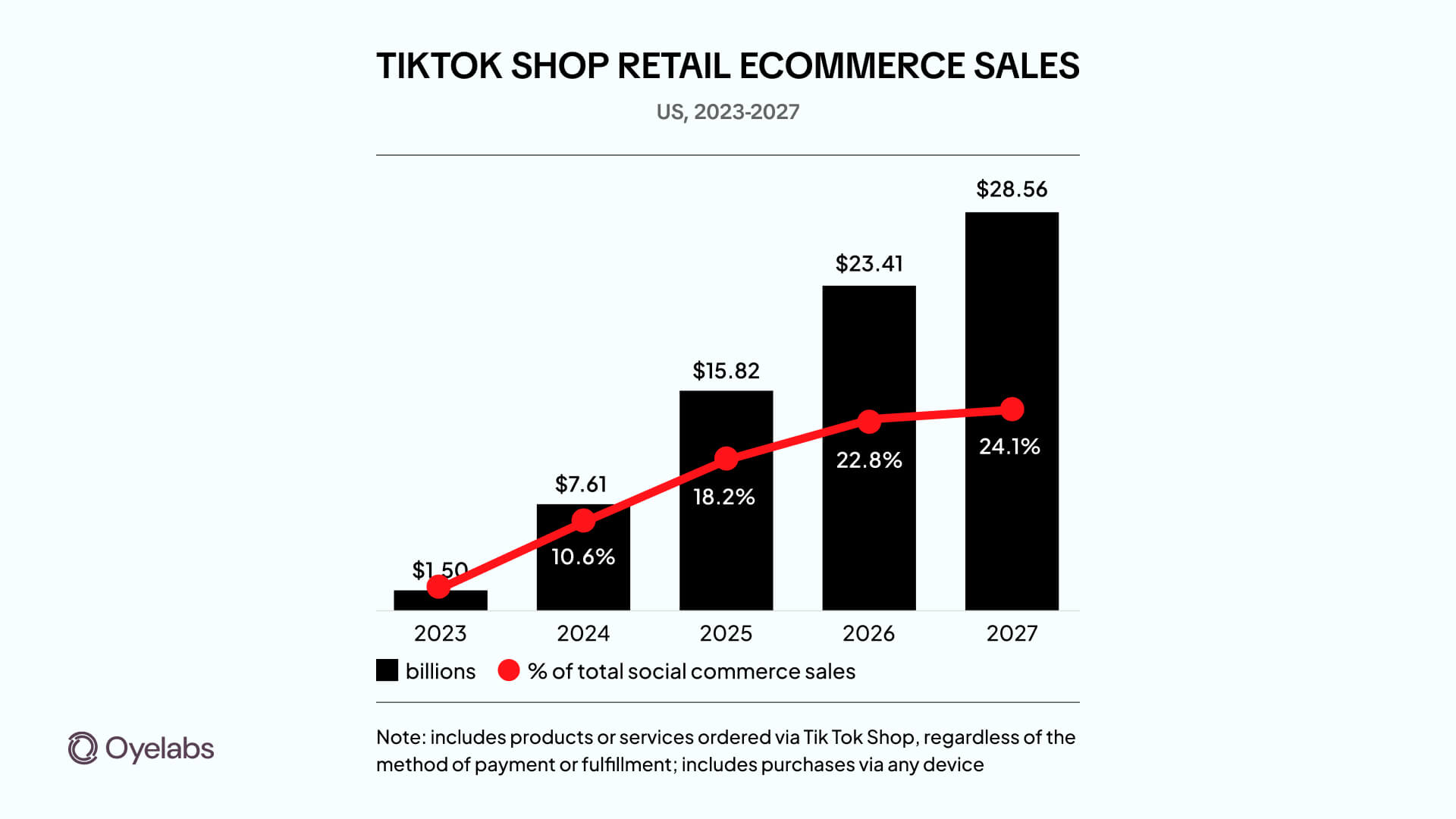
- TikTok Shop reached $15.82 billion in US sales by 2025.
- TikTok holds 18.2% of US social commerce market share.
There was a time when the term “super app” was reserved for platforms like WeChat, Grab, and Gojek. These platforms went far beyond a single use case, combining messaging, payments, shopping, and services into one seamless experience. This model shaped how hundreds of millions of users in Asia interact with the internet.
Now, a similar shift is happening in Western markets, and TikTok is leading it.
A TikTok super app combines short-form video, creator monetization, live shopping, subscriptions, and in-app commerce into a single ecosystem. Rather than functioning solely as a social media platform, TikTok is evolving into a creator-driven economy where users can watch, shop, subscribe, and transact without leaving the app.
For founders building a short-video platform, a creator monetization app, or a subscription-based content ecosystem, understanding TikTok’s evolution is no longer optional. It is a practical roadmap for where digital platforms are heading next.
What Is a TikTok Super App and Why Does It Matter?
A super app is a single mobile platform that bundles multiple services: messaging, payments, shopping, entertainment, and more. Users don’t need to leave the app to get things done. Everything happens in one place.
WeChat is the gold standard. It combines social networking, mobile payments, e-commerce, ride-hailing, and government services, all under one roof, serving over 1.3 billion monthly active users.
| Feature | Traditional App | Super App |
|---|---|---|
| Core Function | One service | Multiple interconnected services |
| Monetization | Ads or subscriptions | Ads + commerce + payments + services |
| User Behavior | Task-specific sessions | Extended daily engagement |
| Ecosystem | Standalone | Platform for third-party mini-apps |
| Examples | Instagram, Snapchat | WeChat, Grab, TikTok (emerging) |
The super app model thrives because it increases daily active time, creates switching costs, and opens multiple revenue streams simultaneously. For a platform founder, that’s the difference between building an app and building an ecosystem.
How Is TikTok Evolving Into a Super App?
TikTok launched as a short-video app. In 2026, it’s something far more complex.
The platform now combines content discovery, live streaming, in-app shopping, creator subscriptions, brand advertising, affiliate commerce, and direct checkout, all without redirecting users elsewhere. That’s not a video app. That’s a digital economy.
Here are the key signals of TikTok’s super app pivot:
TikTok Shop The commerce arm of TikTok grew its US sales by 407% in 2024, followed by another 108% jump in 2025, reaching $15.82 billion. It now holds 18.2% of total US social commerce, with projections to hit 24.1% by 2027. TikTok Shop recently expanded into luxury retail, a sign the platform is no longer targeting only budget shoppers.
Live Shopping TikTok Live Shopping has fundamentally changed conversion expectations. Traditional e-commerce converts 2-3% of visitors. TikTok Live Shopping sessions regularly convert at 10-15%. The combination of entertainment, trust, and real-time interaction removes friction in ways static product pages can’t. Global livestream shopping is projected to exceed $1 trillion by 2026.
Creator Subscriptions Subscriptions have become one of the most important monetization tools for creators in 2026. Rather than relying solely on brand deals, creators now earn predictable monthly income directly from their audiences, a model that mirrors OnlyFans, Patreon, and similar platforms. This shift strengthens community loyalty and gives creators more financial stability.
Creator Rewards Program TikTok’s updated rewards system pays creators $0.40-$1.00+ per 1,000 views for high-quality videos over 60 seconds. That’s a 20-30x improvement over earlier rates and has revitalized creator monetization on the platform.
How Does TikTok Make Money?
- What makes TikTok different from traditional social platforms is not just content, but the depth of its monetization system for both creators and businesses.
- This is not a single monetization model. It is a stacked ecosystem running inside one platform.
- For founders, this signals a major shift. Modern creator platforms are no longer judged only by content engagement, but by how effectively they help creators earn through multiple income streams.
Related Read: The TikTok Business Model
TikTok vs. WeChat: How Close Is the Comparison?
- The WeChat comparison is common, but the two platforms evolved from different foundations.
- WeChat is built around messaging and utility. TikTok is built around entertainment and discovery.
- While WeChat dominates payments and mini-program ecosystems in China, TikTok is building strength in short-form video, live shopping, and creator-driven monetization in Western markets.
- TikTok has not replicated WeChat. Instead, it is adapting the super app model to fit entertainment-first user behavior.
What Does TikTok’s Growth Mean for Platform Founders?
- TikTok’s scale is not just an engagement story. It is a clear market signal.
- With over 1.5 billion monthly active users globally and extremely high daily watch time, TikTok has proven that users are comfortable with shopping, subscribing, and transacting inside social platforms.
- For founders, the takeaway is simple.
- The future of platforms is not just content consumption. It is content combined with commerce and monetization.
Key Lessons From TikTok’s Evolution
- 1. Short video is the entry point, not the product.
TikTok used video to attract users, then layered commerce, live streaming, and subscriptions on top. Platforms focused only on video risk becoming outdated. - 2. Monetization diversity drives retention.
Creators stay longer when they can earn through multiple channels like subscriptions, affiliate sales, live gifts, and brand deals. Platforms with limited monetization lose creators faster. - 3. In-app commerce is becoming essential.
External redirects create friction and reduce conversion. TikTok’s native checkout model shows that integrated commerce improves both engagement and revenue. - 4. Subscriptions create predictable growth.
Recurring income stabilizes creator earnings and increases platform loyalty. Subscription-first models are becoming a core pillar of the creator economy.
How OyeLabs Can Help You Build It
Building a TikTok-level ecosystem from scratch requires significant time, expertise, and investment. Most founders do not need to start from zero.
OyeLabs builds white-label TikTok platforms, creator monetization platforms, social commerce apps, and live shopping solutions designed for faster market entry.
Whether you’re launching a TikTok clone app, a creator subscription platform, or a niche social commerce ecosystem, our solutions provide a production-ready foundation that can be customized to fit your business goals. You bring the vision. We build the infrastructure.
Conclusion
TikTok did not become a super app overnight. The platform expanded one layer at a time, moving from short-form video into creator monetization, subscriptions, social commerce, affiliate marketing, and live shopping.
Today, the TikTok super app model represents a larger shift in how digital platforms operate. Users increasingly expect content, commerce, community, and transactions to exist within a single experience.
For founders, the lesson is clear. Short-form content attracts attention, but ecosystems drive long-term growth.
If you’re planning a TikTok clone app, creator monetization platform, or short video app development project, focus on building an ecosystem rather than a standalone feature. The next generation of successful platforms won’t simply be social apps. They’ll be digital economies.