
A €65M Lesson for Rental Marketplaces – A Wake-Up Call

A €65M Lesson for Rental Marketplaces – A Wake-Up Call
 Sachin Sharma
Last Updated on December 31, 2025
Key Takeaways What You’ll Learn: Rental marketplaces are responsible for checking listing legality. Platforms must verify licences before publishing properties. Ignoring regulator warnings leads to heavy financial penalties. Stats That Matter: Spain fined Airbnb €65 million for non-compliant listings. Over 65,000 Airbnb listings violated Spanish housing laws
Spain’s €65 million fine on Airbnb has become one of the strongest regulatory signals the rental marketplace industry has seen in recent years. The fine was imposed after the platform continued to advertise short-term rental properties that were either banned or did not have valid operating licences. Despite receiving prior warnings from authorities, the listings were not removed in time, leading the government to take decisive action.
This case is not only about Airbnb. It reflects a broader change in how governments treat Airbnb like rental marketplaces. Platforms are no longer seen as neutral spaces where hosts and guests interact. Instead, they are increasingly viewed as responsible for ensuring that listings comply with local laws. When this responsibility is ignored, the financial consequences can be severe.
What Went Wrong
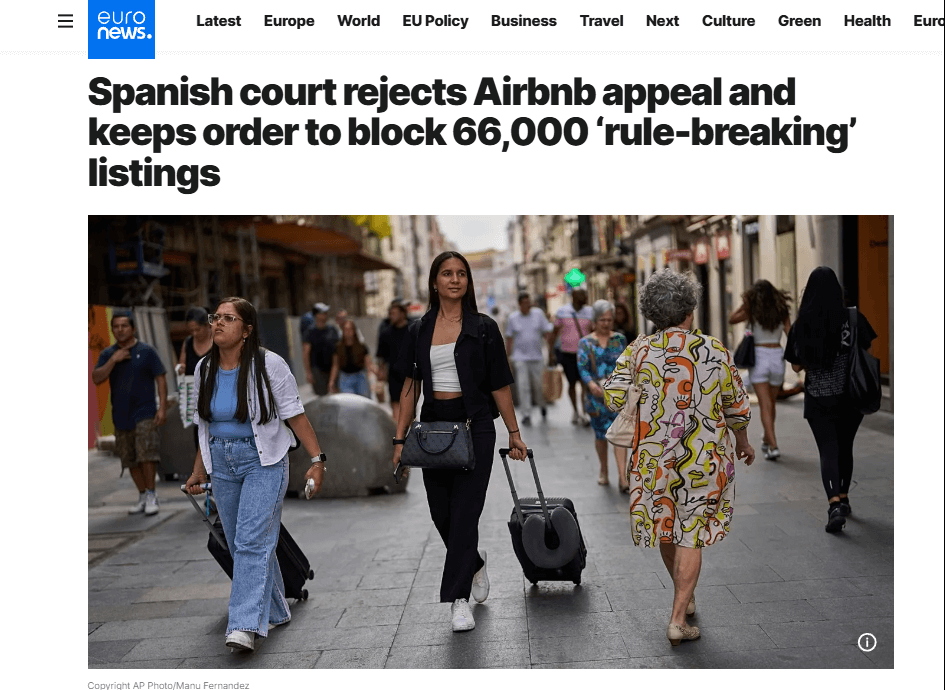
Spanish regulators found that more than 65,000 listings on Airbnb breached consumer protection and housing regulations. Many of these properties were advertised without the required licences, while others displayed licence numbers that did not match official government records. These violations were particularly common in regions where short-term rentals are tightly regulated or restricted altogether.
What made the situation worse was timing. Authorities had already informed Airbnb about the problematic listings, but they continued to appear on the platform. As a result, Spain calculated the penalty as six times the profits earned during the period of non-compliance. This approach shows that regulators are now willing to penalise not just the violation itself, but the revenue generated while ignoring enforcement notices.
Why This Matters for Rental Marketplaces
This fine highlights a clear shift in accountability. Governments are now placing responsibility directly on platforms, not just on individual hosts. Rental marketplaces are expected to verify listings, check licence validity, and ensure ongoing compliance with local housing laws.
For many platforms, this means rethinking how listings are approved and monitored. User-submitted information alone is no longer enough. While these additional checks increase operational effort and cost, the alternative, regulatory fines, forced removals, and reputational damage, is far more expensive.
Housing Pressure Is Driving Tougher Action
Spain’s decision also reflects rising public concern over housing shortages, especially in cities with high tourism activity. Authorities believe that illegal short-term rentals reduce the supply of long-term housing and contribute to higher rents for residents.
Under this pressure, governments are adopting tougher positions against platforms that allow unlicensed listings to remain active. The Airbnb fine shows how housing policy and consumer protection are now closely linked. As similar pressures exist in many countries, rental marketplaces should expect stricter enforcement elsewhere as well.
Delayed Response Made Things Worse
One of the clearest lessons from this case is the cost of slow action. Airbnb had been warned, yet the listings remained active. This delay allowed profits to continue and significantly increased the final penalty.
For rental marketplaces, this underlines the importance of treating regulatory notices as urgent issues. Fast response systems, clear escalation processes, and immediate listing reviews can prevent small compliance problems from turning into major financial losses.
Key Takeaways for Rental Marketplace Founders
For founders and operators, the message is straightforward: compliance cannot be treated as a later-stage fix. It needs to be built into the platform from the very beginning. Features such as licence verification, location-based listing rules, and quick takedown mechanisms should be part of the core system, not manual workarounds. When these controls are automated and enforced consistently, platforms reduce both regulatory risk and operational strain.
Growth must also be approached with caution and awareness of local regulations. Expanding into new cities or countries without fully understanding housing laws, licensing requirements, and regional restrictions can quickly expose a platform to serious consequences. Legal penalties, forced listing removals, and public scrutiny can undo years of progress.
Successful rental marketplaces are those that scale responsibly. They validate regulatory requirements before entering a market, adjust their platform rules to local laws, and respond immediately when authorities raise concerns. In the long run, this balanced approach protects revenue, brand reputation, and long-term sustainability.
Also read: How Much Does It Cost to Build a Successful Airbnb-Like App
Building a rental marketplace today
Running a vacation rentals platform today isn’t just about connecting hosts and guests. It’s about creating a reliable, compliant, and scalable marketplace. Regulatory rules are tightening, and platforms that fail to verify listings or follow local laws face serious financial and reputational risks.
At Oyelabs, we help entrepreneurs build vacation rental apps with built-in compliance checks, user-friendly features, and region-specific controls. Whether you’re launching your first platform or scaling to new markets, our solutions ensure your marketplace operates responsibly while delivering a seamless experience for users. Partner with Oyelabs to turn your vacation rentals idea into a trusted, thriving platform.
Conclusion
The €65M fine is a clear wake-up call for the rental marketplace industry. Platforms are now expected to take responsibility for the real-world impact of their business models, especially in markets facing housing pressure.
For founders and operators, the path forward is clear: build responsibly, monitor listings continuously, and respond immediately to regulatory concerns. In today’s environment, compliance is not optional, it is essential for long-term stability and survival.
FAQs
1. Can rental marketplaces be fined even if hosts break the rules?
Yes, platforms are legally responsible for monitoring and removing illegal listings.
2. Do regulations apply differently to each city or region?
Yes, short-term rental laws vary by city, region, and local housing policies.
3. Are manual licence checks enough for large platforms?
No, automated verification is required to scale safely and stay compliant.
4. Can compliance features slow down platform growth?
No, strong compliance builds trust and supports sustainable long-term growth.
5. Are new rental platforms at higher regulatory risk?
Yes, new platforms face stricter scrutiny without proven compliance systems.
6. Will more countries follow Spain’s regulatory approach?
Yes, housing pressure is pushing governments toward tighter platform enforcement.