
Best Monetization Strategies for Live Shopping Apps in 2026
 Sachin Sharma
Last Updated on February 11, 2026
Key Takeaways What You’ll Learn: Stats That Matter:
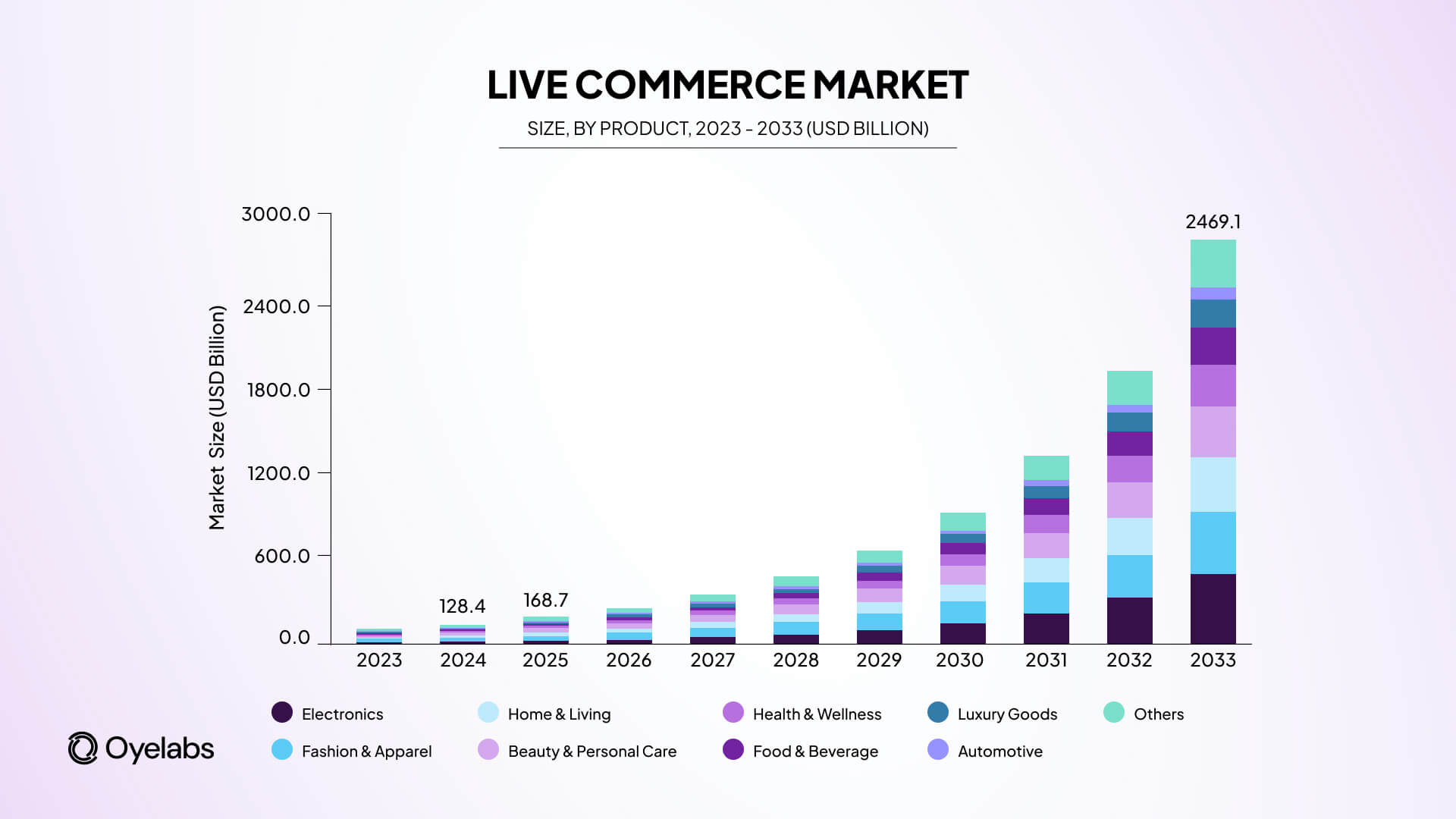
Live shopping apps have made online buying more interactive. Instead of scrolling through product images, users can watch live videos, ask questions, and buy products in real time. This makes shopping feel more real and engaging, which is why many brands and startups are now interested in launching live shopping platforms. But building an audience is only the first step. To run a successful live shopping app, there needs to be a clear way to make money without affecting the user experience. Sellers want value for their effort, viewers want an enjoyable experience, and the platform needs steady revenue to grow. The right monetization strategy balances all three. When done well, monetization feels natural and adds value instead of creating friction. Below, we explain the most effective monetization strategies for live shopping apps in 2026, in a clear and easy-to-understand way. Live shopping combines three things: entertainment, social interaction, and online buying. Instead of just browsing products in a store, viewers watch live videos where hosts present products, answer questions, and talk with the audience in real time. Viewers enjoy the experience because they can see real demonstrations and get replies right away. This makes shopping feel more personal and trustworthy. Live shopping is growing fast around the world. In 2024, the global live-commerce market was valued at about $128 billion, and long-term forecasts show it could reach $2.47 trillion by 2033. This growth is happening because more people prefer video-based discovery and buying. At an annual growth rate close to 40 percent, interactive video is becoming a normal part of how people find and buy products online. Because users are already actively engaged, live shopping apps have many chances to earn money without making users feel pushed. When monetization is done in the right way, it feels natural and helpful rather than forced. For example, viewers may pay for special memberships, send gifts to their favorite hosts, or join exclusive shopping events. Sellers may pay for better placement or more tools, and the platform may take a share of successful sales. All of these methods work well because the audience is already interested and paying attention. Live shopping offers a new kind of shopping experience that feels more like a conversation than a sale. As the market continues to grow, platforms that make shopping fun and easy have the best chance to succeed. Live shopping apps succeed when they create value for everyone involved. Sellers want sales, viewers want an enjoyable experience, and platform owners need steady revenue. The key is to monetize in a way that feels natural and fair. Below is a deeper and clearer explanation of the top seven monetization strategies, written in simple language and focused on real use cases. Commission based monetization is the easiest and most widely accepted model for live shopping apps. Whenever a seller completes a sale during a live stream, the platform takes a small percentage of that sale as commission. This model works especially well in live shopping because conversion rates are much higher than traditional ecommerce. Live shopping sessions often see conversion rates between 9 percent and 30 percent, while standard ecommerce websites usually convert only 2 to 3 percent of visitors. With more viewers turning into buyers, sellers are comfortable sharing a portion of each sale since they are earning more overall. Another advantage is that sellers do not need to pay anything upfront. They only share part of their earnings after a successful sale. This lowers the entry barrier for new sellers and helps platforms attract more merchants quickly. As sellers grow and sell more products, the platform’s revenue also increases naturally. Many platforms strengthen this approach by offering flexible commission rates. New sellers may start with a slightly higher commission, while trusted or high performing sellers receive lower rates over time. This encourages long term activity, rewards loyalty, and keeps the monetization model fair and transparent for everyone involved. Monthly subscription plans provide stable and predictable income for the platform. When you develop live shopping apps, adding subscription tiers is one of the smartest ways to create recurring revenue. Sellers pay a fixed monthly fee to access tools that help them manage and grow their live shopping business more efficiently. Basic subscription plans usually include live streaming access, product uploads, and order management features. Advanced plans can offer detailed sales reports, improved visibility in search results, priority customer support, and store customization options. These features help sellers improve their performance and increase sales over time. Serious sellers often see subscriptions as an investment in growth rather than an extra expense. For platform owners, this model reduces dependency on daily sales volume and creates more predictable monthly revenue. When you develop live shopping platforms with flexible subscription tiers, you build a stronger and more sustainable business model. Visibility plays a huge role in live shopping success. Sellers want their live streams to reach more viewers, especially during sales events or festivals. Paid promotions allow sellers to place their streams in featured sections like the home page, top categories, or special campaign pages. This helps sellers get more viewers quickly and improves their chances of higher sales. During peak seasons, sellers are more willing to invest in promotions to stand out. When promotions are used in a limited and relevant way, they add value without disturbing the user experience. Virtual gifting is a powerful way to monetize audience engagement. Viewers can send digital gifts or tips to hosts during live streams as a way to show support or appreciation. These gifts are bought using real money. The platform keeps a percentage of the gift value while the host receives the rest. Viewers enjoy gifting because it helps them connect with hosts, gain recognition, and stand out in live chats. Features like animations, badges, and thank you messages make gifting more interactive. This strategy works best with popular hosts and builds strong creator viewer relationships. As sellers become more experienced, they need better tools to improve their live sessions. This opens up opportunities to offer paid premium features. Premium tools may include advanced analytics, viewer engagement data, best time to go live suggestions, and sales performance tracking. Other paid features can include better video layouts, co hosting options, and automated chat replies. These tools help sellers save time, improve presentation quality, and increase sales, making them willing to pay for access. Service and transaction fees help cover essential platform costs like payment processing, security, refunds, and system maintenance. These fees are usually small but consistent. The most important factor here is transparency. Sellers should clearly know what fees are charged and what services they cover. When pricing is simple and honest, sellers trust the platform more. Some platforms remove service fees for sellers on higher subscription plans, which also encourages plan upgrades. When handled correctly, service fees feel fair and justified. Live shopping platforms collect valuable information about customer behavior, popular products, and buying trends. When handled responsibly, this data can be used to help sellers and brands make better decisions. Platforms can offer reports that show which products perform best, when viewers are most active, and how pricing affects sales. These insights help sellers improve future live streams and product selection. All data should be anonymous and follow privacy rules. This monetization method becomes more effective as the platform grows and gathers more data. The most successful live shopping apps do not rely on just one revenue source. They combine commissions, subscriptions, promotions, premium tools, and service fees to create a balanced model. It is best to start with commission based monetization, then gradually add subscriptions and paid features as the platform grows. Each monetization method should improve the user experience rather than make it worse. When monetization feels fair and useful, sellers stay longer, viewers engage more, and the platform grows steadily. Live shopping is growing fast, and platforms like Whatnot have shown how powerful this model can be. If you are planning to build a live shopping app with strong monetization features such as commissions, subscriptions, and paid promotions, now is the right time to start. Whether you want a fully custom solution or a ready-made Whatnot clone, choosing the right development approach can save time and speed up your launch. The key is building a scalable platform that keeps sellers active, viewers engaged, and revenue flowing consistently. Have a live commerce idea in mind? Let’s build a powerful live shopping platform designed for long-term growth. Monetizing a live shopping app is about building trust and offering real value. When sellers earn more and viewers enjoy the experience, your platform grows naturally. In 2026, successful live shopping apps focus on simple pricing, useful features, and honest communication. If your monetization strategy helps users instead of confusing them, your app can become a strong and profitable business in the long run.
Understanding Live Shopping Today
TOP 7 Monetization Strategies for Live Shopping Apps
1. Commission Based Monetization
2. Monthly Subscription Plans for Sellers
3. Paid Promotions and Featured Streams
4. Virtual Gifts and Viewer Tips
5. Premium Tools and Features for Sellers
6. Service and Transaction Fees
7. Data and Insights for Businesses
Choosing the Right Monetization Mix
Ready to Launch Your Live Shopping App Like Whatnot?
Conclusion