
Pros and Cons of PPV vs Subscription Models – Analysis
Pros and Cons of PPV vs Subscription Models – Analysis
 Sachin Sharma
Last Updated on February 10, 2026
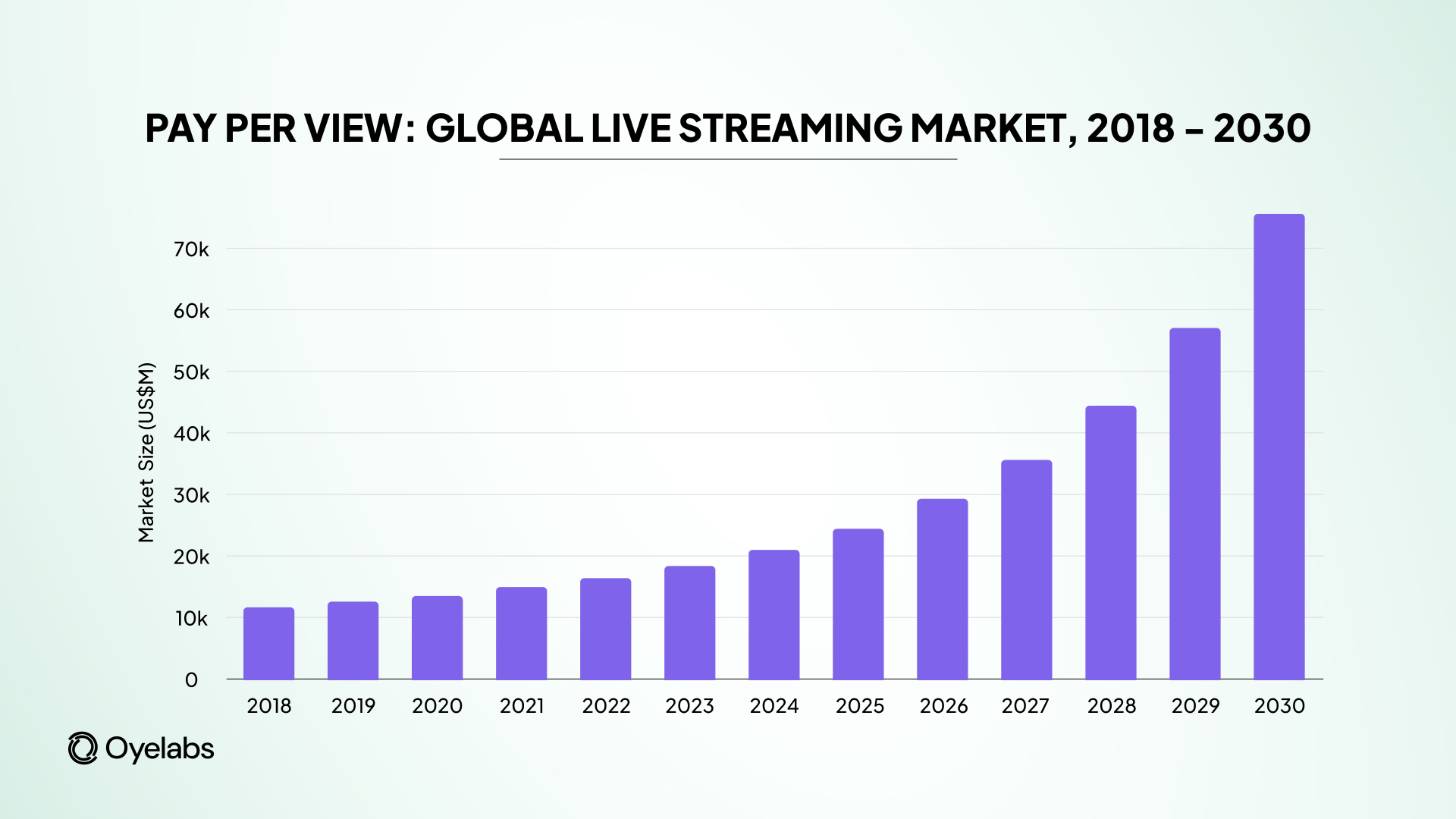
Key Takeaways What You’ll Learn: PPV lets users pay once for specific content without long-term commitment. Subscription models charge recurring fees for ongoing access and engagement. PPV suits exclusive, event-based, or time-limited premium content. Subscriptions work best for platforms offering regular updates and continuous value. Hybrid models combine subscriptions with PPV for higher overall revenue. Stats That Matter: PPV live streaming is projected to surpass USD 75 billion by 2030. Subscription video platforms generated over USD 58 billion globally in 2024. Subscription streaming revenue may reach nearly USD 196 billion by 2030.
Choosing the right monetization model plays a critical role in the success of any digital platform. It influences how users interact with your content, how often they return, and how sustainably your business grows over time. As digital consumption continues to expand across entertainment, education, and online services, platforms must adopt monetization strategies that align with both user expectations and revenue goals. Two of the most widely used approaches today are the Pay-Per-View (PPV) model and the subscription model. PPV allows users to pay for specific content or events, offering flexibility and low commitment, while subscription models focus on recurring access and long-term engagement. These models are especially common in premium content monetization apps like OnlyFans, where creators balance exclusive pay-per-view content with ongoing subscriptions. In this blog, we break down the pros and cons of PPV and subscription models, compare their key differences, and help you choose the right monetization strategy for your platform. The Pay-Per-View (PPV) model allows users to pay for individual pieces of content or services instead of committing to a recurring plan. Users make a one-time payment to access a live event, video, online course, webinar, or premium feature. Depending on the platform, access may be time-limited or permanent. This model is widely used for live sports, concerts, exclusive creator content, and specialized educational sessions. PPV works best when content has clear standalone value. Users are more willing to pay when they know exactly what they are getting and don’t feel forced into a long-term commitment. This model thrives on exclusive moments or one-off premium experiences. The global pay-per-view live streaming market was valued at approximately USD 18.35 billion in 2023 and is projected to grow to over USD 75 billion by 2030, at a strong annual growth rate (CAGR) of about 23.8%. Also Read: Why Most Subscription Content Apps Fail Within Two Years The subscription model charges users a recurring fee, often monthly or annually, in exchange for continuous access to content, services, or features. Instead of paying for individual items, users gain ongoing access as long as their subscription remains active. This approach is designed to build long-term engagement and steady revenue. Subscriptions dominate many digital industries such as video streaming, SaaS, online education, and digital communities where users expect ongoing value. The global subscription video streaming market was valued at about USD 58.35 billion in 2024 and is projected to grow to roughly USD 196.2 billion by 2030, at a CAGR of about 22.4%. Choosing the right monetization model depends largely on how your platform delivers value and how users prefer to consume content. If your platform focuses on premium, event-based, or niche offerings such as live sessions, exclusive workshops, or limited-access content, the PPV model is often the better fit. Users in these cases are usually comfortable paying for individual experiences rather than committing to ongoing fees, especially when the value of each offering is clear. Subscription models are more suitable for platforms that provide continuous value. If users benefit from regular updates, expanding content libraries, or long-term services, subscriptions create a smoother experience. Subscribers are more likely to stay engaged over time, explore more features, and build loyalty with the platform. Understanding how frequently users return, how long they stay active, and what they expect in terms of value is essential before making a final decision. Many platforms are adopting a hybrid monetization model to combine the strengths of both PPV and subscriptions. In this approach, users pay a recurring fee for standard access while purchasing exclusive events, premium content, or advanced features separately. This structure allows platforms to maintain predictable revenue while unlocking additional income from high-demand releases. Hybrid models also offer greater flexibility for users. Casual users can subscribe at a lower cost, while highly engaged users have the option to spend more on premium experiences. This strategy works especially well for platforms that offer evergreen content alongside occasional high-value releases such as live events or expert-led sessions. By combining both models, businesses can increase revenue potential without forcing users into a single payment structure. Whether you are planning a PPV-based platform, a subscription-driven product, or a premium content app similar to OnlyFans, choosing the right monetization strategy is only the beginning. Success depends on having a platform that supports flexible pricing, secure payments, and smooth content delivery. At Oyelabs, we help businesses launch scalable monetization platforms using customizable solutions, including an OnlyFans clone script designed for creators who want both subscription and PPV monetization options. Our platforms are built to handle growth, user engagement, and long-term revenue. Get in touch to explore the right monetization setup for your platform. Both PPV and subscription models offer clear benefits and trade-offs. PPV provides flexibility, low commitment for users, and immediate revenue, but comes with income volatility and weaker retention. Subscription models deliver stable revenue, higher lifetime value, and stronger engagement, but require continuous effort to retain users. There is no universal solution. The most successful platforms choose a monetization strategy that aligns with their content, audience expectations, and long-term business goals, while remaining adaptable as user behavior evolves. 1. Can PPV and subscription pricing hurt user trust if mixed poorly? 2. Which model works better for new platforms with low traffic? 3. How do refunds and chargebacks differ between PPV and subscriptions? 4. Does PPV or subscription perform better on mobile apps? 5. How do payment gateways impact PPV vs subscription success? 6. Which model is easier to scale globally?
What Is the Pay-Per-View (PPV) model?
Pros of the PPV Model
Since users only pay once for something they want to watch, PPV feels low-risk. There’s no long-term commitment, which makes it easier for first-time buyers to convert and try the platform without hesitation.
Platforms can set different price points for premium or high-demand content like major sporting events, concerts, or expert-led training. This flexibility helps businesses maximize revenue based on content value and audience demand.
Every purchase results in immediate income. This direct revenue flow is especially useful for platforms that depend on seasonal content, limited-time events, or one-off launches.
Live sports, concerts, and exclusive entertainment continue to drive PPV adoption. High-profile fights, virtual concerts, and online conferences still attract large audiences willing to pay for access.
Users know exactly what they are paying for. This transparency reduces confusion and builds trust, especially when the content has a clear outcome or benefit.
PPV works well for content that feels special or time-sensitive. Limited access increases perceived value and encourages faster purchase decisions.
Unlike subscriptions, PPV platforms don’t need to constantly release new content. A single high-quality event can generate significant revenue on its own.Cons of the PPV Model
Because income depends on individual purchases, monthly earnings can fluctuate. This makes long-term financial planning more difficult compared to subscription-based models.
Each PPV event or content release needs strong promotion. Without consistent marketing efforts, even valuable content may fail to reach the right audience.
Many users purchase once and leave. Without recurring access, it’s harder to build loyalty and keep users actively engaged on the platform.
Since users pay per event, total revenue per user is often lower compared to subscription models unless repeat purchases are encouraged.
Users must make a decision every time they want to access content. This extra step can reduce conversions, especially when similar content is available through subscriptions.
PPV platforms often struggle to create a sense of belonging or ongoing interaction, as users don’t stay connected between purchases.
If an event or content fails to attract attention, revenue drops immediately. There’s little financial cushion compared to recurring subscription income.What Is the Subscription Model?
Pros of the Subscription Model
Recurring payments allow businesses to forecast income more accurately, manage budgets better, and plan long-term investments with greater confidence.
Subscription customers typically generate more revenue over time compared to one-time buyers. Even moderately priced subscriptions can outperform PPV when users stay subscribed for several months.
When users pay on a recurring basis, they are more likely to return frequently and explore more features or content. This leads to stronger platform stickiness.
As platforms add more content, tools, or services, the perceived value of the subscription increases. This helps reduce churn and strengthens user retention over time.
Consistent monthly or yearly income makes it easier to plan hiring, marketing spend, infrastructure upgrades, and product expansion.
Subscriptions create ongoing relationships rather than one-time transactions. This allows platforms to collect user feedback, personalize experiences, and improve overall satisfaction.
Long-term subscribers provide more usage data, helping platforms understand behavior patterns, optimize content strategy, and improve monetization decisions.Cons of the Subscription Model
Many users hesitate to commit to recurring fees, especially if they are unsure how often they will use the service. This makes clear value communication essential.
Platforms must consistently release new content or improve features to justify ongoing payments. Without visible updates, users may question the value of staying subscribed.
Subscription platforms must actively monitor and reduce churn. Even small increases in cancellation rates can significantly impact long-term revenue.
Paying subscribers expect reliability, quality, and frequent improvements. Any decline in performance or content quality can lead to cancellations.
Many industries are saturated with subscription options. Users often compare prices and value across platforms, making differentiation more difficult.
Compared to PPV, subscriptions usually convert slower because users need more trust before committing to recurring payments.
Users may cancel if pricing increases or competitors offer better deals, forcing platforms to carefully balance pricing and perceived value.PPV vs Subscription Models: Key Differences
Aspect
PPV Model
Subscription Model
How Users Pay
One-time payment for specific content or events
Recurring monthly or yearly payment
User Commitment
Very low; users pay only when interested
Higher; users commit to ongoing access
Revenue Pattern
Earned per purchase
Earned consistently over time
Revenue Stability
Can fluctuate based on demand
More predictable and stable
Content Access
Limited to purchased content
Continuous access to all included content
User Engagement
Short-term, event-driven
Long-term and continuous
Retention Potential
Lower, unless new content attracts repeat buyers
Higher, driven by ongoing value
Best Suited For
Exclusive, event-based, or premium content
Platforms offering regular updates or long-term value
Which Monetization Model Should You Choose?
Hybrid Monetization Model: Using PPV and Subscriptions Together
Ready to Build a Profitable Monetization Platform?
Conclusion
FAQs
Yes, unclear separation between free, PPV, and subscriptions confuses users, reduces transparency, and negatively impacts long-term platform trust.
PPV suits new platforms better because revenue comes from single purchases without needing large audiences or consistent repeat users.
PPV sees higher refund disputes per purchase, while subscriptions require strong cancellation flows and proactive churn prevention strategies.
Subscription models perform better on mobile apps due to habitual usage, easier recurring payments, and stronger long-term engagement.
Payment gateways must support fast one-click payments for PPV and reliable recurring billing systems for subscriptions.
Subscriptions scale faster globally due to predictable pricing, while PPV needs localized pricing, promotion, and demand management.