Jahez Business Model: Commission, Delivery Fees & Ads
 Sachin Sharma
Conclusion The Jahez business model is a lesson in leverage. Commission carries the group, advertising adds a higher-margin layer, and delivery fees have become a competitive tool. Rising order value and take rate lifted revenue in 2025, yet promotions, credit losses, and expansion pulled profit …

Keeta Business Model: How the Food Delivery App Makes Money
 Anuraag Jain
Conclusion The Keeta app business model is a familiar structure with an unusual funding plan: commission, delivery, and advertising revenue on top, and a subsidy-led entry underneath that is paid for by a parent with very large cash reserves. Meituan’s own disclosures show the result …

How Better Live Tracking Reduces “Where Is My Order” Tickets
 Tanushree Jain
Conclusion Better live tracking reduces WISMO tickets by addressing the actual cause, uncertainty, rather than making the eventual support conversation faster. Uber’s real ETA system shows what this looks like in production: a physical routing baseline, a deep learning correction layer, and careful GPS cleaning …

How to Solve the Chicken-and-Egg Problem in Food Delivery
 Sushmeet Setia
Conclusion The chicken-and-egg problem in food delivery isn’t solved by a clever trick or a bigger ad budget. It’s solved by sequencing: pick the hardest side, or shortcut it with an existing asset, go narrow, give one side a reason to join alone, and subsidize …

UberEats Pauses Europe Expansion: What It Means for New Delivery Apps
 Priyanka B
Uber paused its planned UberEats expansion in five European countries in 2026, including Austria, Norway, the Czech Republic, Greece, and Romania, while continuing launches in Finland and Denmark. The decision comes as the company focuses on strengthening existing markets and pursues its proposed acquisition of …
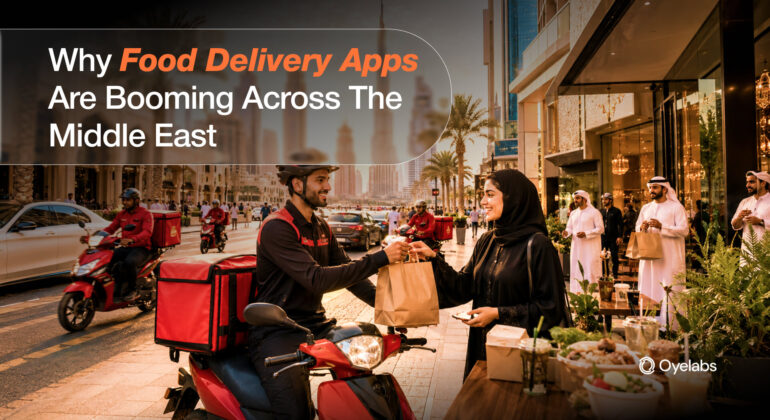
Why Food Delivery Apps Are Growing in the Middle East
A question comes up frequently when founders evaluate new markets: “Is the Middle East really worth entering with a food delivery platform?” The short answer is yes. A Food Delivery App in the Middle East has become one of the strongest digital business opportunities for …
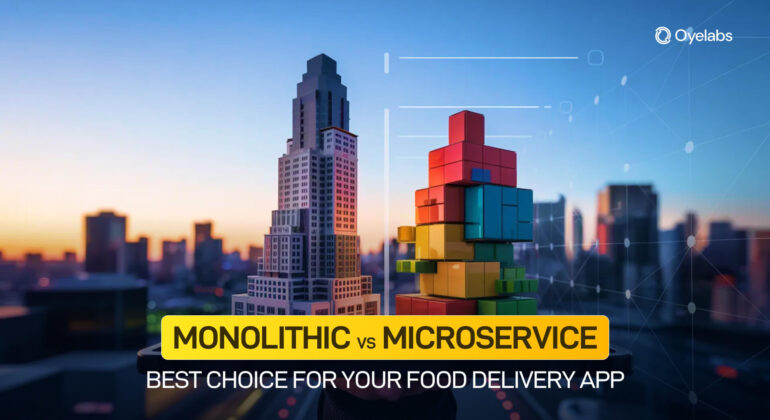
Monolithic vs Microservice: Best Choice for Your Food Delivery App
Conclusion The monolithic vs microservice decision for a food delivery app is not a technical debate – it is a capital allocation decision. Build the wrong architecture for your stage and you pay twice: once to build it wrong and again to fix it. The …
Psychology Elements That Boost Food App Retention
Why These Psychological Tactics Work So Well Food delivery apps succeed because they combine multiple psychological triggers into one seamless experience. Convenience appeals to logic, emotional comfort appeals to feelings, and rewards appeal to behavior. Instead of forcing users to act, these apps gently guide …

The Biggest Margin Leak in Food Delivery Platforms
How Food Delivery Platforms Can Fix Margin Leaks Reducing margin leakage requires a shift from growth-at-all-costs to unit economics optimization. Improving last-mile efficiency through smart routing, order batching, zone-based pricing, and scheduled deliveries can significantly reduce delivery costs. Encouraging multi-order trips and better rider utilization …
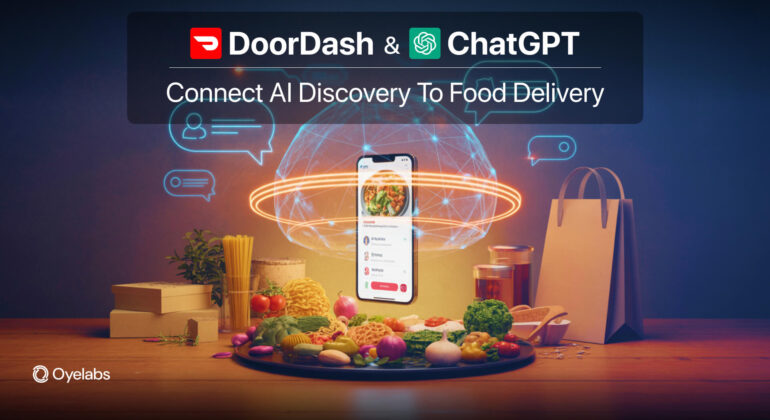
DoorDash and ChatGPT Connect AI Discovery to Food Delivery
How Oyelabs Helps Founders Launch Platforms Built for AI Discovery This is where Oyelabs plays a critical role. Oyelabs specializes in helping founders launch production-ready food delivery platforms modeled on proven systems like DoorDash, while ensuring the technology is structured for modern discovery channels, including …