
Opportunities for Subscription Content Apps in Non-Western Markets

Opportunities for Subscription Content Apps in Non-Western Markets
 Sachin Sharma
Last Updated on September 26, 2025
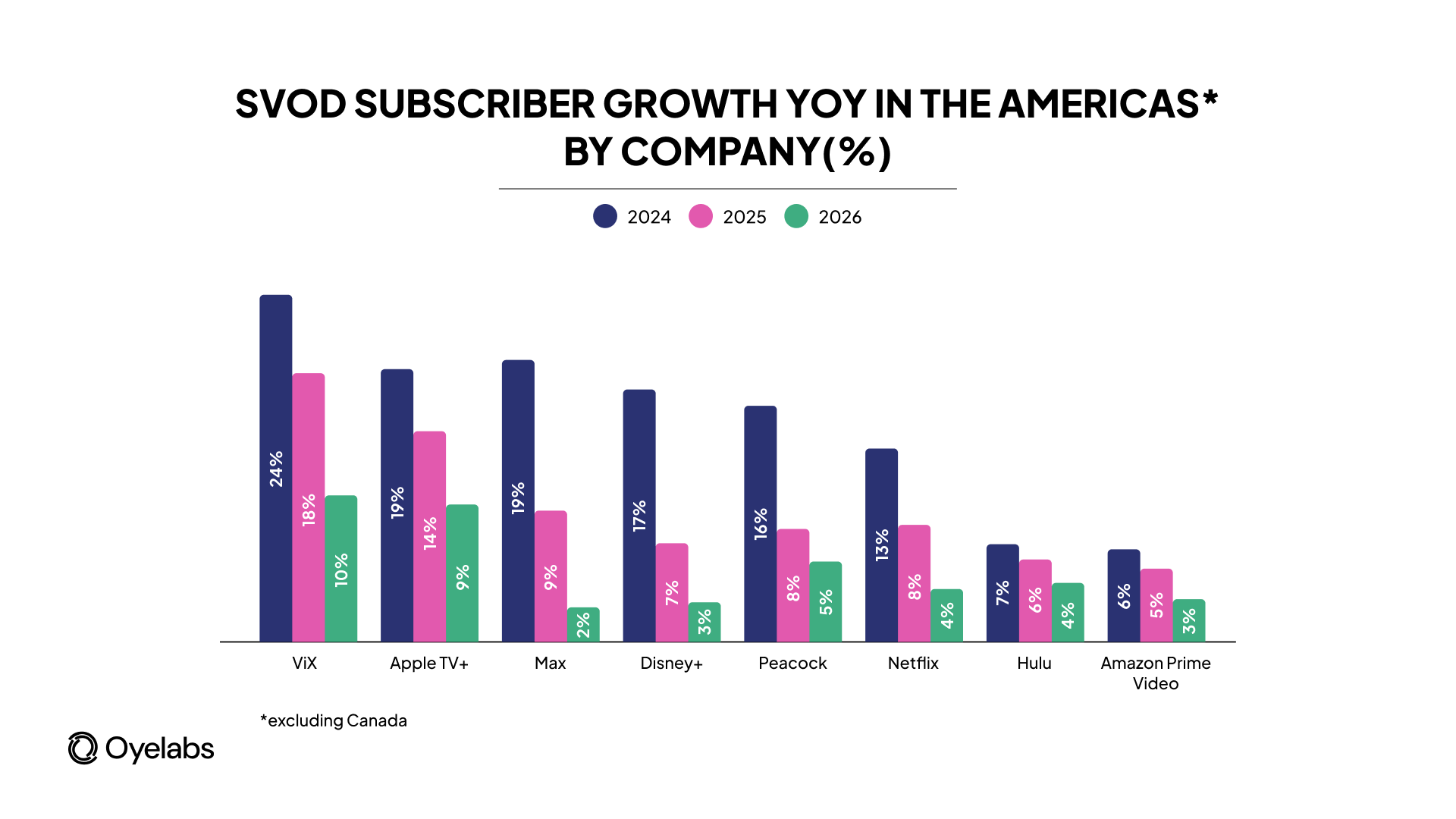
Key Takeaways What You’ll Learn: Non-Western markets are driving the next wave of subscription content growth, with Asia-Pacific, Africa, Latin America, and MENA leading the way. Mobile-first behavior, rising internet penetration, and digital payment adoption are critical drivers of subscription adoption. Platforms that localize content, support regional languages, and adapt to cultural preferences see higher engagement and retention. Flexible monetization strategies, such as freemium, micro-subscriptions, and hybrid ad-supported models, help capture diverse audiences. Stats That Matter: Asia-Pacific smartphone ownership and OTT adoption are skyrocketing; Indonesia’s OTT subscriptions have doubled in three years. India has over 148 million paid subscriptions as of 2025, with an OTT audience exceeding 600 million. Africa’s e-payments market is projected to grow 150% by 2025, fueling subscription adoption. Latin America’s ViX platform is projected to grow paying subscribers by 18% in 2025, reaching 10.5 million users.
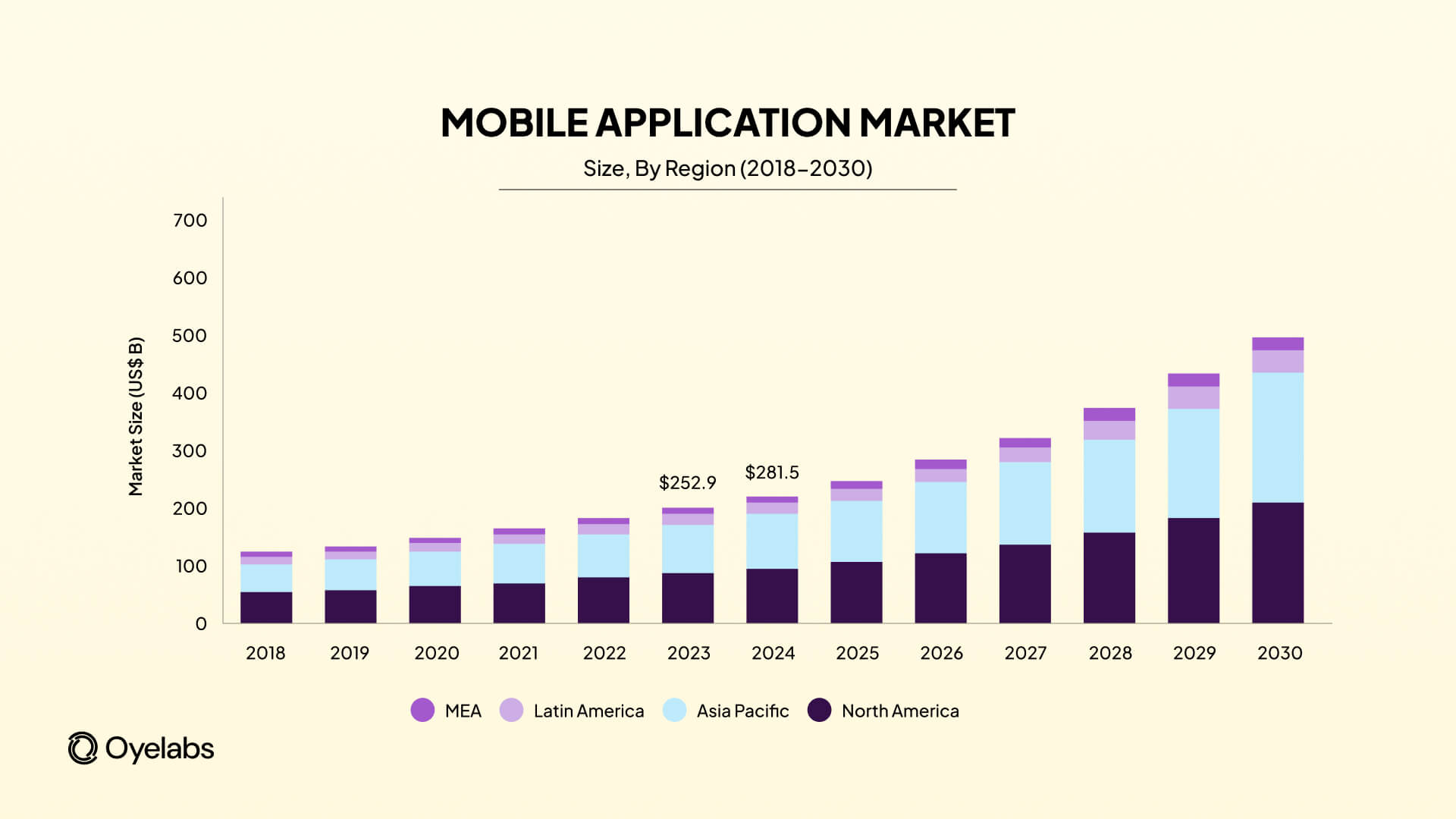
Subscription content is exploding in non-Western markets, creating vast opportunities for apps that adapt to local needs. From Asia-Pacific’s mobile-first audiences to Africa’s booming mobile payments, Latin America’s cultural storytelling, and MENA’s premium content demand, the growth is undeniable. Even OnlyFans subscription app models are finding traction, proving that tailored, localized strategies drive lasting success. Asia-Pacific has emerged as the fastest-growing region for subscription content apps, driven by a combination of rising smartphone adoption, high-speed internet access, and a growing appetite for digital entertainment. China remains a dominant player in the region. The mobile app market in China is expected to grow at a CAGR of 15.8% from 2024 to 2030, fueled by video streaming, mobile gaming, and live commerce apps. Subscription-based models are thriving, particularly for premium video services, e-learning content, and music streaming apps. Popular global services like Netflix have seen increasing adoption by offering region-specific shows and movies, demonstrating the demand for high-quality, localized content. Meanwhile, Japan and South Korea continue to lead in mobile-first entertainment consumption, with strong preferences for anime, K-pop, and gaming subscriptions. Southeast Asia is another hotspot for growth. Countries including Indonesia, Thailand, Vietnam, Malaysia, and the Philippines have experienced exponential adoption of subscription apps due to increasing smartphone penetration and internet accessibility. In Indonesia alone, OTT subscriptions have doubled over the past three years, with apps offering localized content in Bahasa and interactive formats performing best. Social video platforms, e-learning apps, and mobile gaming services are all experiencing rapid monetization growth, demonstrating that consumers in this region are willing to pay for high-quality, culturally relevant content. Beyond these markets, countries such as Bangladesh, Nepal, Sri Lanka, Pakistan, and India are seeing a surge in mobile internet usage, with millions accessing digital content for the first time. India, with an OTT audience exceeding 600 million and more than 148 million paid subscriptions as of 2025, represents a massive opportunity for content providers. Platforms offering regional-language content in Hindi, Tamil, Telugu, and Bengali have seen rapid adoption, highlighting the importance of localization in large, linguistically diverse markets. Africa is a unique market characterized by mobile-first internet usage, where smartphones often serve as the primary or only digital device for millions. Countries such as Nigeria, Kenya, South Africa, Egypt, Ghana, and Morocco are witnessing strong growth in subscription-based content apps, ranging from music and entertainment to education and fitness. The widespread adoption of mobile payment platforms like M-Pesa in Kenya and Tanzania, Flutterwave in Nigeria, and Paystack in Ghana is accelerating subscription adoption, even in regions with low credit card penetration. McKinsey projects Africa’s e-payments market will grow by 150% between 2020 and 2025, underlining the readiness for recurring subscription models. Music streaming apps have gained particular traction, as African users prefer local music content, such as Afrobeat, Amapiano, and Soukous. Similarly, e-learning apps offering local language courses or vocational training have gained popularity in countries like Nigeria, Egypt, and South Africa, creating an emerging market for premium subscriptions. Fitness and wellness apps that cater to local cultural norms are also gaining attention, highlighting the importance of tailoring content to regional tastes and lifestyles. Latin America has emerged as a high-potential market for subscription content apps, driven by widespread mobile usage, a growing middle class, and increased demand for entertainment and educational content. Countries including Brazil, Mexico, Argentina, Chile, and Colombia have seen significant growth in subscription-based OTT platforms, music streaming services, and e-learning apps. Spanish and Portuguese content dominates engagement, with audiences showing a preference for localized series, telenovelas, sports programming, and family entertainment. Platforms like ViX, which combines subscription and ad-supported models, are projected to grow their paying subscriber base by 18% in 2025, reaching over 10.5 million users. This hybrid monetization approach allows platforms to cater to a broad spectrum of consumers across income levels. Brazil, in particular, is experiencing rapid adoption of digital content subscriptions, fueled by high mobile penetration and rising demand for streaming services. Mexico and Argentina are strong markets for educational apps and professional learning platforms, while Chile and Colombia show increasing adoption of fitness and wellness subscription apps. A common factor across Latin America is the importance of cultural relevance and language. Apps that offer Spanish or Portuguese content, along with region-specific recommendations, tend to outperform globalized offerings. Additionally, bundling subscriptions with local telecom plans or offering easy mobile wallet payments significantly increases conversion rates, supporting successful global expansion strategies. The MENA region is also showing strong potential for subscription content apps. Countries such as Saudi Arabia, the UAE, Egypt, Qatar, and Morocco are seeing growth in OTT streaming, premium news apps, and educational platforms. High smartphone penetration, increasing disposable income, and strong internet infrastructure support the adoption of subscription services. Premium content, including lifestyle, sports, Islamic educational content, and news, attracts subscribers willing to pay for exclusive access. Apps that integrate local payment methods, Arabic-language interfaces, and region-specific content strategies enjoy higher retention and engagement. The younger demographic, especially Gen Z and millennials, is driving digital subscription adoption, with a preference for mobile-first, interactive, and personalized content experiences. Takeaways Across Regions Across non-Western markets, the common drivers of growth for subscription content apps include: By recognizing the distinct needs and behaviors of users in Asia-Pacific, Africa, Latin America, and the MENA region, businesses can effectively design subscription content apps that capture emerging opportunities and drive sustainable growth. While non-Western markets present enormous growth potential for subscription content apps, businesses must navigate unique challenges that can impact adoption, engagement, and revenue. Understanding these barriers and designing strategies to overcome them is crucial for long-term success, as these regions offer significant opportunities in the creator economy alongside expanding digital audiences, increasing mobile adoption, and growing demand for localized content. In many emerging markets, internet connectivity and digital infrastructure remain uneven. Countries in Africa, Southeast Asia, and parts of Latin America often face intermittent broadband access, high mobile data costs, and slow network speeds. These limitations can lead to: To address these challenges, subscription content apps should implement: Apps that optimize for low-bandwidth environments are more likely to retain users and reduce churn in these markets. Digital payment adoption is growing, but credit card penetration remains limited in many non-Western countries. Consumers may rely on cash, prepaid cards, or mobile wallets rather than traditional bank accounts. For instance: Subscription apps must integrate multi-channel payment options, including: Flexible payment options remove friction, increase conversions, and make subscription services accessible to a broader audience. Piracy remains a major concern in emerging markets. Free access to pirated movies, music, online courses, and gaming content can discourage consumers from paying for legitimate subscriptions. According to industry reports, countries like India, Brazil, and Nigeria experience high levels of digital content piracy. Subscription platforms can combat piracy by offering: Adding value beyond free alternatives helps justify subscription costs and fosters loyalty. Non-Western markets often have complex regulatory frameworks governing content, digital payments, and data privacy. For example: Businesses must carefully navigate these regulations to avoid legal risks, fines, or operational disruptions. Compliance also builds trust with users, which is essential for subscription-based services. Overcoming these challenges requires tailored strategies that align with local user behaviors, cultural norms, and technological realities. Successful subscription apps in non-Western markets often leverage a combination of flexible monetization, localization, partnerships, offline access, and data-driven personalization. Emerging markets are highly diverse in terms of income levels and purchasing power. A one-size-fits-all pricing model may limit adoption. Subscription platforms can increase penetration through: For example, many Latin American OTT platforms adopt a hybrid monetization model that combines subscriptions with advertising. This approach reaches lower-income users while monetizing premium customers, effectively balancing growth and profitability. Localization goes beyond translation. Successful apps adapt interfaces, content, and marketing strategies to resonate with local audiences. Key approaches include: By offering culturally relevant content, apps increase engagement, reduce churn, and improve word-of-mouth adoption. Forming partnerships with telecom operators, payment providers, content creators, and local platforms can accelerate adoption and increase brand visibility. Examples include: Partnerships help overcome trust barriers, simplify access, and make subscriptions more appealing to local consumers. Offline downloads are crucial for users in regions with variable internet speeds. Allowing offline access: Offline content is particularly important in Africa, Southeast Asia, and parts of Latin America, where mobile-first usage dominates and connectivity is uneven. Data-driven personalization enhances user experience, engagement, and subscription retention. By analyzing user behavior, content preferences, and churn patterns, apps can: Personalization encourages longer subscription periods, reduces churn, and increases overall lifetime value of users. Looking to launch an OnlyFans-like subscription platform in non-Western markets? Oyelabs specializes in creating scalable, engaging subscription apps designed to resonate with local audiences. From Asia-Pacific’s mobile-first users to Africa’s growing adoption of mobile payments and Latin America’s culturally relevant content, we provide end-to-end solutions that make global expansion seamless. Our team ensures your platform is fully optimized, secure, and tailored to local preferences, helping you attract and retain subscribers worldwide. Don’t miss the opportunity to tap into these high-growth markets with a platform that stands out. Connect with our experts today! Non-Western markets represent a major growth opportunity for subscription content apps. Asia-Pacific, Africa, Latin America, and the MENA region collectively offer hundreds of millions of potential subscribers. Key success factors include mobile-first design, flexible monetization, localized content, seamless payment integration, and offline access. Businesses that adapt to local preferences, invest in cultural relevance, and leverage strategic partnerships can capture emerging audiences, increase revenue, and establish long-term market presence. As these markets continue to grow, they will become central to the global subscription economy, offering immense potential for businesses willing to innovate and localize their offerings. Non-Western regions are no longer secondary markets, they are the future of subscription content growth, and companies that enter early with tailored, culturally relevant, and user-friendly subscription apps will reap significant rewards.
The Growth of Subscription Content Apps in Non-Western Markets
Asia-Pacific
Africa
Latin America
Middle East and North Africa (MENA)
Challenges in Non-Western Markets
Infrastructure Limitations
Payment Barriers
Content Piracy
Regulatory Hurdles
Strategic Approaches for Market Success
Flexible Monetization Models
Localization and Language Support
Partnerships with Local Entities
Offline Content Access
Analytics and Personalization
Launch Your Subscription App For Non-Western Markets
Conclusion